

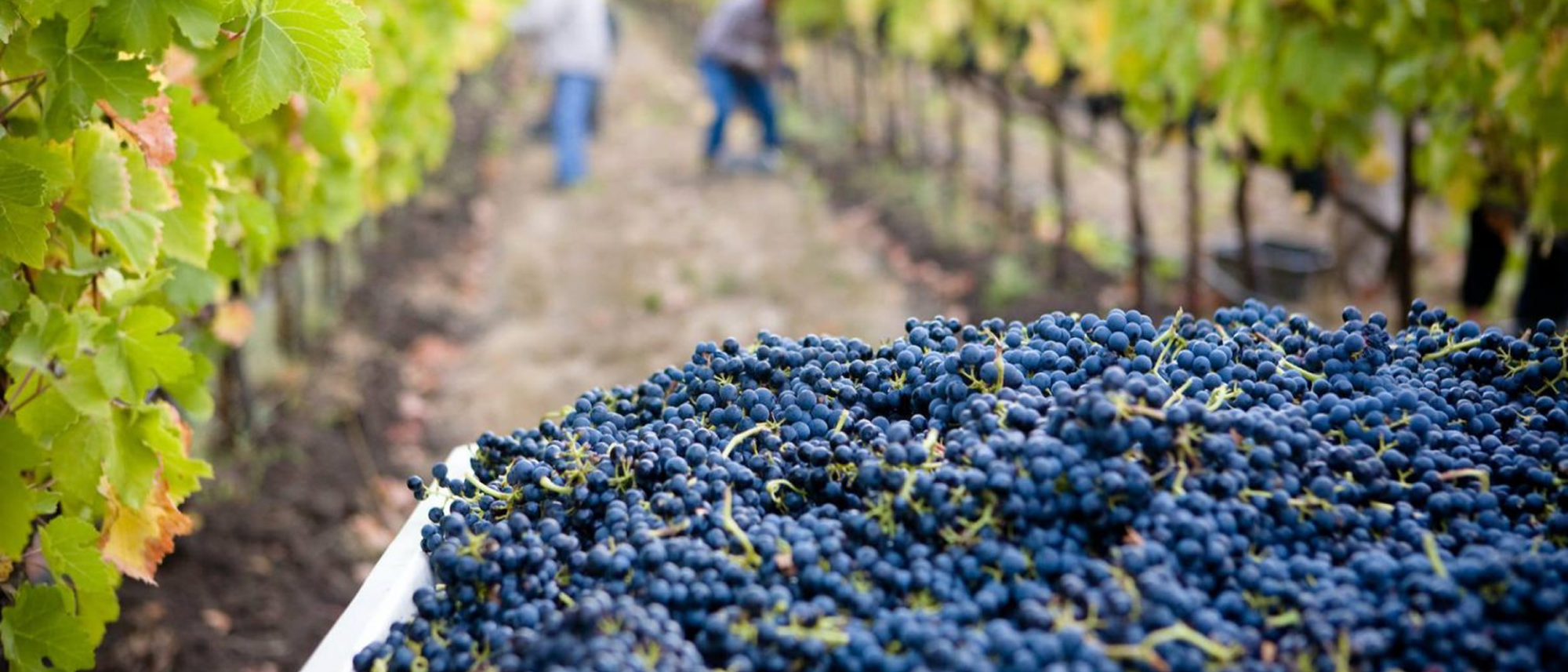
The main difference between red and white wine is grape skin contact during fermentation. Red wine is made from dark-skinned grapes fermented with their skins in, giving it colour, tannins and bold flavours. White wine is pressed before fermentation to remove the skins, producing a paler, crisper, less tannic wine.
Red or White?
Red or white? It’s one of the oldest questions in wine, and it usually comes down to mood, food, and what you fancy at the time. But there’s a lot more going on behind those two colours than most people realise. The differences start at the vine and run all the way through to the glass in your hand.
Whether you’re picking a bottle for Sunday dinner or trying to make sense of a wine list, knowing how red and white wines actually differ makes the whole thing more enjoyable. Here’s the proper rundown, from someone who grows the grapes.
Red vs White Wine at a Glance
| Feature | Red Wine | White Wine |
|---|---|---|
| Grape type | Dark-skinned grapes | Green or yellow-skinned grapes (occasionally dark) |
| Skin contact during fermentation | Skins left in for days to weeks | Skins pressed out before fermentation |
| Typical colour range | Pale ruby to deep purple-black | Pale straw to golden yellow |
| Tannin level | Medium to high | Very low |
| Common flavours | Black fruit, red fruit, spice, leather, oak | Citrus, stone fruit, apple, floral, herbaceous |
| Typical ageing vessel | Oak barrels | Stainless steel (sometimes oak) |
| Serving temperature | 14 to 18°C | 7 to 12°C |
| Best food pairings | Red meat, hard cheese, rich stews | Seafood, salads, soft cheese, poultry |
| Average alcohol content | 12 to 15% ABV | 11 to 13.5% ABV |
| Average sugar content | Usually dry (under 4g/L) | Ranges from dry to sweet |
How Red Wine Is Made
Red wine starts with dark-skinned grapes. Cabernet sauvignon, merlot, pinot noir, shiraz and dozens of others, each bringing their own character to the glass.
Which grapes are used
The grape variety determines almost everything that follows: colour, structure, flavour, ageing potential. Yorkshire Heart works with pinot noir, Pinot Noir Précoce and Rondo, all chosen because they ripen well in a cooler climate.
Crushing and destemming
Once we’ve picked the grapes, they go through a destemmer that separates the fruit from the stalks. The grapes are then gently crushed to release their juice. At this stage, everything goes into the fermentation tank together: juice, skins, seeds and sometimes a few stems.
Maceration
This is the bit that makes red wine red. The crushed grapes sit with their skins for anything from a few days to several weeks, a process called maceration. The skins release colour, tannins and flavour compounds into the juice. The longer the contact, the deeper the colour and the firmer the structure.
Fermentation temperature
Red wines ferment warmer than whites, usually between 22 and 30°C. The warmth helps draw more out of the skins and develops bolder fruit flavours.
Pressing and ageing
Once fermentation is complete, we press the remaining liquid out of the skins. The wine often goes into oak barrels to age, picking up subtle vanilla, spice and toasted notes from the wood. Cheaper wines might use oak chips or skip oak altogether for a fresher style.
Red wine in Yorkshire
Making red wine here is a proper challenge. Our cool climate doesn’t suit the big, structured reds you’d find in the Rhône or Napa, but it’s brilliant for lighter, more elegant styles. Pinot noir and Rondo thrive in cooler conditions and produce reds with bright fruit and gentle tannins.
Browse our red wines to see what we’ve been making.
How White Wine Is Made
White wine looks simpler from the outside, but it’s just as exacting in the cellar.
Which grapes are used
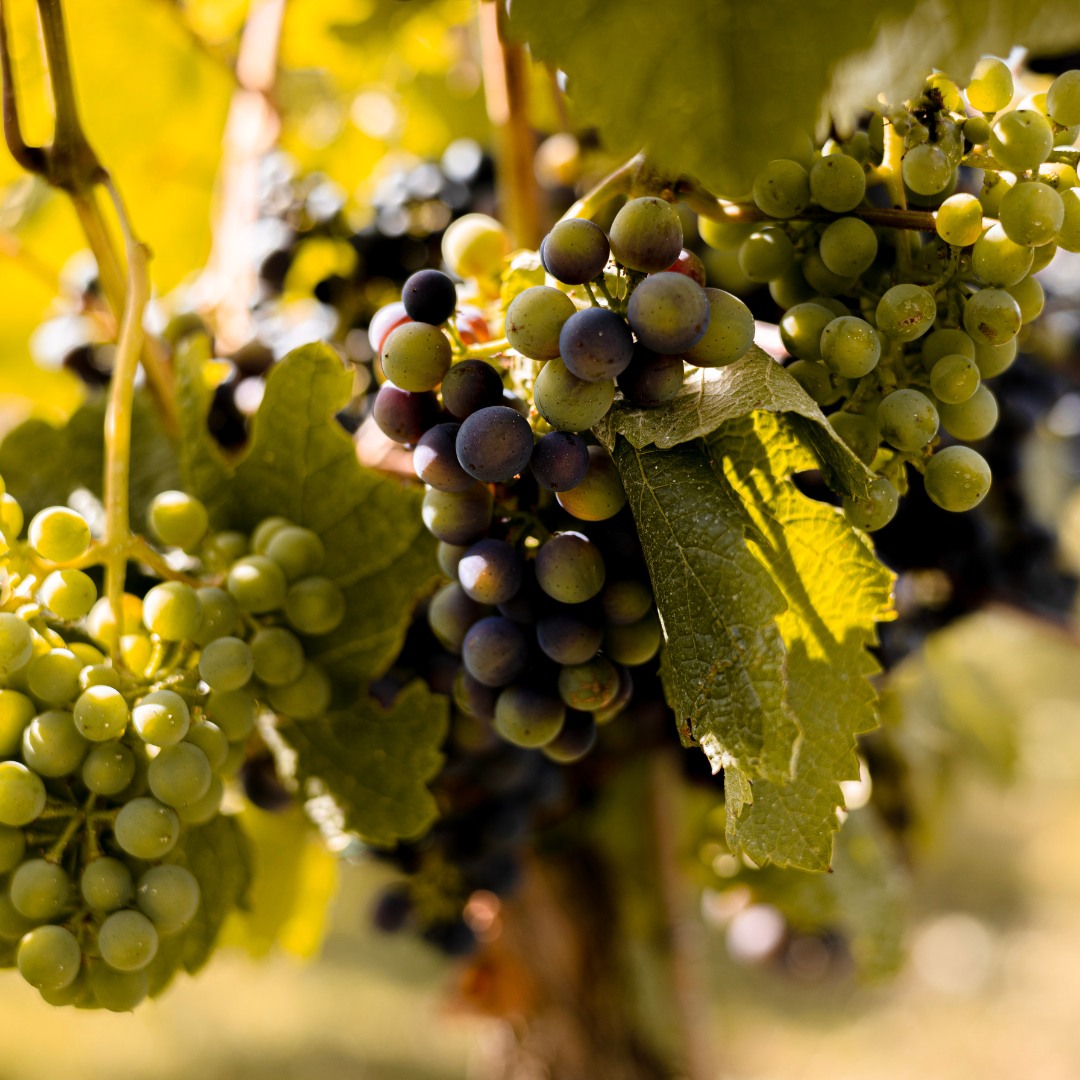
White wine is usually made from green or yellow-skinned grapes, though it can also be made from dark grapes if you press the juice off the skins quickly enough (Champagne does this with pinot noir). At Yorkshire Heart we grow Solaris, Phoenix and Madeleine Angevine, all white varieties suited to our cooler season.
Pressing first, fermenting second
The biggest difference from red winemaking is the order of operations. We press the grapes before fermentation, not after, and the juice is separated from the skins almost immediately.
Why the skins come off early
Keeping the skins out means almost no tannin and a much paler colour. It also preserves the bright, fresh flavours that white wines are known for: citrus, green apple, stone fruit, elderflower.
Cool fermentation
Whites ferment at much cooler temperatures, usually 12 to 18°C. The cold slows everything down, which protects delicate aromatics and helps the wine keep its crispness.
Stainless steel or oak?
Most whites age in stainless steel tanks, which keep them clean and fresh. The classic exception is chardonnay, which often spends time in oak to gain richness, vanilla notes and a creamy texture. Both styles have their place.
White wine at Yorkshire Heart
Our cool climate is genuinely suited to white wine. Solaris is the star: it ripens earlier than most varieties and gives us a wine with lovely citrus and stone fruit notes. We ferment cool, age in stainless steel, and let the fruit speak for itself.
You can find our white wines in the shop.

Tannins Explained
Tannins are natural compounds found in grape skins, seeds, stems and oak. You’ve probably tasted them in strong black tea, in walnut skins, or in dark chocolate. That drying, grippy feeling on your gums and tongue? Those are tannins doing their work.
Red wines have plenty of tannins because the grape skins stay in the juice during fermentation. White wines, with the skins pressed out early, have very little.
Tannins aren’t just there for texture. They give wine structure, they help it age, and they balance out fruit and alcohol. A young red with firm tannins might feel a bit harsh on its own, but pair it with a fatty cut of beef and the tannins soften beautifully, cutting through the richness.
Oak ageing adds another layer of tannin (slightly different from grape tannin), which is why oaked reds often feel rounder and more complex than unoaked ones.
Alcohol and Sugar Content
A common myth is that white wine is always lower in alcohol than red. It isn’t. A New Zealand sauvignon blanc might come in at 13%, while a Burgundian pinot noir could be 12.5%. Most table wines, red or white, fall somewhere between 11 and 14.5% ABV. Climate and grape variety matter far more than colour.
Sugar is where things get interesting. Almost all reds and most whites are fermented dry, meaning the yeast has converted all the sugar into alcohol. A dry red and a dry white will both contain less than 4g of residual sugar per litre.
Sweet whites are the outlier. Wines like sauternes, late-harvest riesling or English dessert wines deliberately stop fermentation early, leaving sugar behind. If you’re watching your sugar intake, the rule is simple: drink dry, drink in moderation, and look at the label.
Serving Temperature and Glassware
Serving temperature
Most people serve their reds too warm and their whites too cold. Here’s the proper guide:
- Red wine: 14 to 18°C. “Room temperature” advice was written for cool British rooms, not centrally heated houses. Pop a red in the fridge for 20 minutes before serving and you’ll taste more of its fruit and less of its alcohol.
- White wine: 7 to 12°C. Straight from the fridge is usually too cold. Let it warm up for 10 minutes before pouring and you’ll find the flavours open right up.
Glassware
Wider bowls suit red wines because they let air get to the wine, helping aromas develop and softening tannins. Narrower glasses preserve the cooler temperature and crisp aromas of whites.
You don’t need a different glass for every variety. One decent red glass and one decent white glass will see you through almost anything. And if you only have one set of glasses, don’t worry about it. Wine still tastes like wine.
Food Pairings
Pairing wine with food sounds intimidating, but the principles are simple. Match the weight of the wine to the weight of the food, and look for either complementary or contrasting flavours.
Red wine food pairings
Light-bodied reds like pinot noir work beautifully with poultry, salmon, mushroom risotto and dishes with earthy flavours. The gentle tannins won’t overwhelm delicate proteins. Our own pinot noir is made for roast chicken or a Sunday roast pork.
Medium-bodied reds (think merlot, or our Rondo) suit pork, lamb, duck and hard cheeses like aged cheddar or Wensleydale. There’s enough structure to handle richer meats without overpowering them.
Full-bodied reds, like cabernet sauvignon or shiraz, are made for red meat: steak, venison, beef stew, slow-cooked lamb shoulder. The firm tannins cut through the fat and the bold fruit stands up to robust flavours. They love a strong blue cheese too.
White wine food pairings
Crisp, fresh whites like sauvignon blanc, pinot blanc or our Solaris pair perfectly with seafood, summer salads, goat’s cheese and grilled white fish. The acidity acts like a squeeze of lemon, lifting the food rather than competing with it.
Aromatic whites, including riesling and gewürztraminer, are brilliant with spiced food. Thai curries, light Indian dishes, anything with chilli, ginger or lemongrass. The wine’s gentle sweetness balances the heat.
Oaked whites, especially chardonnay, suit richer dishes: creamy pasta, roast chicken with bread sauce, lobster, salmon with hollandaise. The fuller body and gentle vanilla notes from oak complement creamy, buttery textures.
Take a look at our white wines for everything from crisp Solaris to richer styles.
Health Benefits Compared
Red wine is often described as the healthier of the two, mainly because of resveratrol, an antioxidant found in grape skins. Since reds spend more time with their skins, they contain more of it. Tannins themselves are also thought to have antioxidant properties.
But white wine isn’t without merit. It contains its own antioxidants, just different ones, and the calorie difference between a dry red and a dry white is small (usually within 10 to 20 calories per glass).
The honest truth is that the health benefits of any wine are modest, and the real story is moderation. Current NHS guidance suggests no more than 14 units of alcohol per week, spread across at least three days. That’s roughly six 175ml glasses of wine. Drinking less, and savouring what you do drink, is the proper approach.
What About Rosé and Orange Wine?
Rosé sits in the middle ground. It’s made from dark grapes, but the skins are only left in for a few hours rather than days or weeks. Just enough to tint the wine pink and add a whisper of structure. Browse our rosé for our own take on the style.
Our Orange wine flips the script. It’s made from white grapes, but the skins stay in for extended periods, the way they would for a red. The result is an amber-coloured wine with more body, tannin and texture than you’d expect from a white. A fascinating style, though still niche.
English Wine and the Yorkshire Heart Story
English wine has come a long way. We’re now beating Champagne in blind tastings, and Yorkshire has quietly become one of the more interesting wine regions in the country.
At Yorkshire Heart, we grow varieties that genuinely suit our cool climate: Solaris, Phoenix and Madeleine Angevine for our whites; Rondo and Pinot Noir Précoce for our reds. These aren’t compromises. They’re varieties bred or selected for shorter growing seasons, and they produce wines with bright fruit and crisp acidity that warmer climates simply can’t match.
Our Latimer range is our flagship sparkling wine, made in the traditional method from classic Champagne grapes. It’s the project Gillian is most proud of, and tasting it alongside French equivalents tells you everything you need to know about how far English wine has come.
Come and see our Yorkshire vineyard for yourself.

Frequently Asked Questions
Is red wine healthier than white wine?
Red wine contains more resveratrol and tannins, both antioxidants, so it has a slight edge on paper. But the difference is small, and white wine has its own antioxidants. The real health factor with any wine is moderation, not colour. Stick to the recommended weekly limits and enjoy what you drink.
Which has more sugar, red or white wine?
Dry reds and dry whites both contain very little sugar, usually less than 4g per litre. Sweet whites, like sauternes or late-harvest rieslings, are the exception and can contain much more. If sugar matters to you, check the label or look for “dry” on the bottle.
Can red wine be made from white grapes?
Not really. Red wine gets its colour from dark grape skins, and white grapes don’t have the pigments needed. You can, however, make white wine from dark grapes by pressing the juice off the skins quickly. Champagne does exactly this with pinot noir and pinot meunier.
Why is red wine red and white wine pale?
The colour comes from grape skins. Red wines are fermented with the skins left in, which releases pigments called anthocyanins into the juice. White wines are pressed before fermentation, so the skins never get the chance to colour the wine.
Should you chill red wine?
Most reds taste better lightly chilled, especially in a warm room. Aim for 14 to 18°C, which usually means 20 minutes in the fridge before serving. Lighter reds like pinot noir benefit most from a chill. Full-bodied reds need less.
Which has more alcohol, red or white wine?
On average, red wines are slightly higher in alcohol, but the difference is small. Most table wines fall between 11 and 14.5% ABV regardless of colour. The grape variety, climate and winemaking style matter far more than red versus white.
What’s the difference between red, white and rosé?
It comes down to skin contact during fermentation. Red wine has long skin contact (giving colour, tannin and body), white wine has none (giving a pale, crisp wine), and rosé sits between the two with a few hours of skin contact for a light pink colour and gentle structure.
Wine Tasting at Yorkshire Heart
Reading about wine is one thing. Tasting it where it’s made is another. We run two tasting experiences at our vineyard near Nun Monkton, both with a glass in hand and someone who knows the wines telling the story behind them.
Cellar Door Wine Tasting: A relaxed sit-down tasting through our range, ideal if you want to focus on the wines themselves. Book a cellar door tasting.
Vineyard Tour & Wine Tasting: A walk through the vines followed by a guided tasting. You’ll see where the grapes grow, learn how we make the wines, and try them in the place they were born. Book a vineyard tour and wine tasting.
Can’t make it to Yorkshire? Browse our red wines and our white wines and we’ll send a bottle (or two) your way.

Sign up for news and special offers
Subscribe to our newsletter to be the first to hear about exciting news, updates, events and receive exclusive offers.