

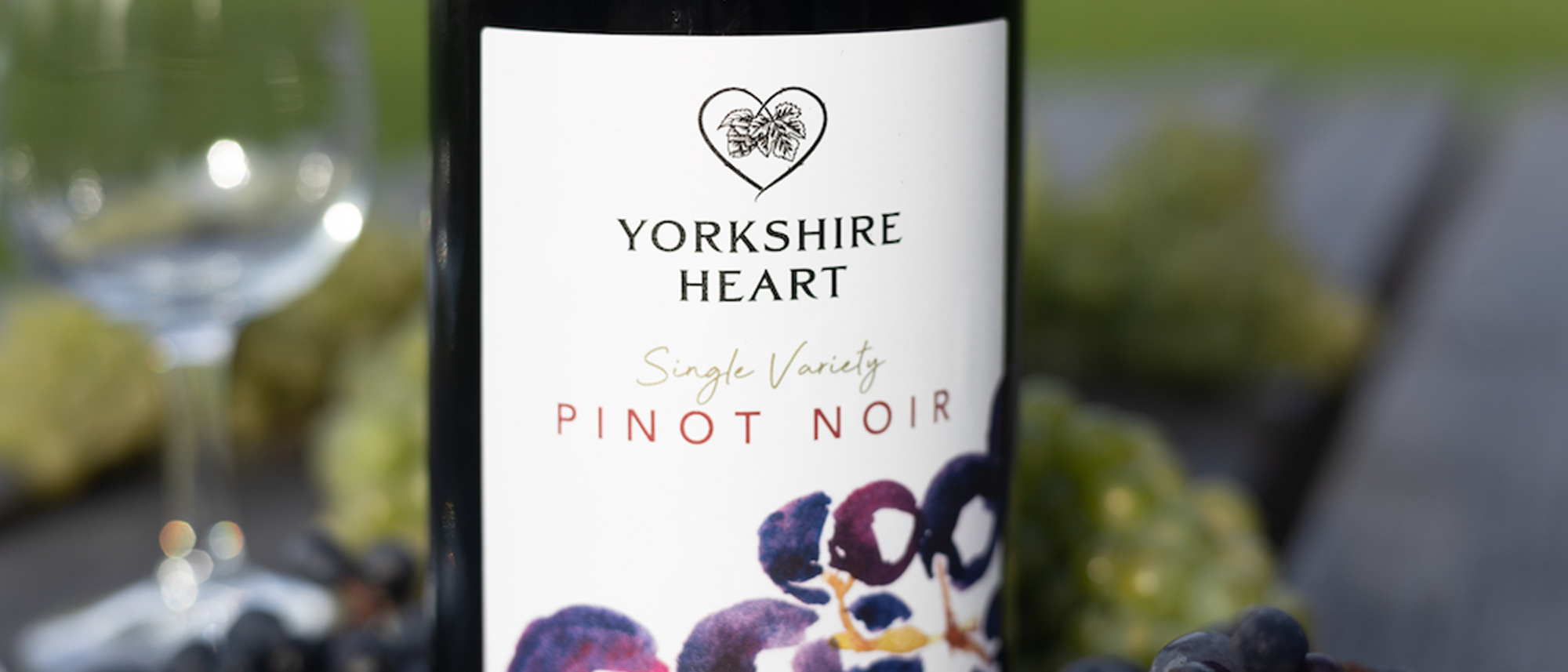
A tasting is not a test. It is an hour or two sat down with good wine, a bit of cheese, and someone on hand to answer whatever you want to ask. You do not need to know your Solaris from your Seyval Blanc, and you do not need any special vocabulary. You just need to turn up.
We host wine tasting at our vineyard in Nun Monkton six days a week, all year round, and we have watched a lot of nervous first-timers relax by the second glass. This guide covers what actually happens on the day, how to taste wine properly, whether you have to spit, whether you can drive home afterwards, and what to wear.
What actually happens at a wine tasting
A typical wine tasting runs between 45 minutes and two hours. You will taste somewhere between three and six wines, poured in 50ml measures, which adds up to roughly one to two large glasses in total.
The shape of the session is usually the same wherever you go. You arrive and get a welcome, often with a glass of something sparkling. Your host introduces the estate and explains what you are about to drink. Then the pours begin, normally working from lighter wines to heavier ones, so sparkling and whites first, then rosé, then reds. Sweet wines come last if there are any.
You taste, you ask questions, and your host talks you through what is in the glass and why it turned out that way. Most tastings finish at the shop, where you can buy the bottles you liked.
That is it. No exam, no spitting into a bucket unless you want to, and no expectation that you will say anything clever.
Worth knowing: there is no clock running at our cellar door
Most vineyards give you a time slot and move you on. Our Cellar Door Wine Tasting has no time limit at all. Once your wine is poured, the table is yours. Sit in the Winehouse, take your glass out to the terrace, and look at the vines for as long as you like.
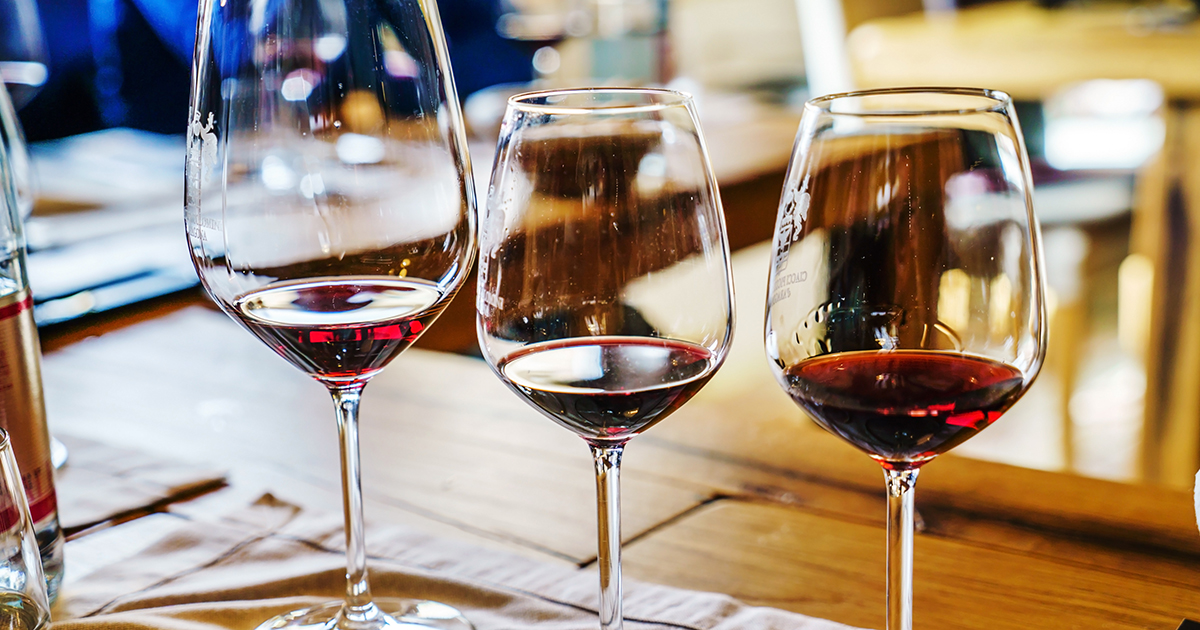
How to taste wine: the 4 S’s
Every wine tasting you attend will use some version of the same five steps. They exist because wine gives up most of its flavour through your nose rather than your tongue, and because swallowing quickly skips past almost everything interesting.
Here is the whole method.
StepHow to do itWhat you are looking forLookTilt the glass away from you against something white, like a napkin or tableclothColour and clarity. Depth of colour hints at age and grapeSwirlKeep the base on the table and move it in small circlesAerating the wine, which releases the aroma compoundsSmellGet your nose properly into the glass and breathe inFruit, florals, anything toasty, herbal or earthySipTake a small sip and move it across your whole mouthSweetness, acidity, tannin and bodySavourSwallow or spit, then pauseThe finish, and how long the flavour hangs around
| Step | How to do it | What you are looking for |
|---|---|---|
| Look | Tilt the glass away from you against something white, like a napkin or tablecloth | Colour and clarity. Depth of colour hints at age and grape |
| Swirl | Keep the base on the table and move it in small circles | Aerating the wine, which releases the aroma compounds |
| Smell | Get your nose properly into the glass and breathe in | Fruit, florals, anything toasty, herbal or earthy |
| Sip | Take a small sip and move it across your whole mouth | Sweetness, acidity, tannin and body |
| Savour | Swallow or spit, then pause | The finish, and how long the flavour hangs around |
Two practical points. Hold the glass by the stem rather than the bowl, because your hand warms the wine and fingerprints make step one harder. And work from light to heavy, because a big red will flatten a delicate white if you taste them the wrong way round. That is why our sparkling wines always come first.
Do not worry about naming things correctly. If a wine smells like your nan’s fruit bowl, that is a perfectly good tasting note. The point of the five steps is to slow you down enough to notice something, not to make you sound like a critic.
The four S’s applied to one wine
Abstract instructions are easier to follow with a bottle in front of you, so here is the method run through our Latimer White, which is the wine most first-timers start with.
Look. Pale gold, and clear rather than cloudy. Swirl. Give it ten seconds and the aromatics lift straight out of the glass. Smell. Floral first, then something green and orchard-like underneath. Sip. Crunchy green apple and gooseberry, finished with a distinct hit of lemongrass. Savour. Crisp, dry and mineral, with a tart finish that lasts longer than you expect from a wine this light.
That mineral quality comes from our young vines. Latimer is made from 100% Solaris grapes grown right here in our Nun Monkton soil, a variety that ripens early and packs in fruit flavour before we pick.
Six terms cover almost everything a host will say to you.
Dry: not sweet. Most table wine is dry
Body: how heavy the wine feels in your mouth, from watery to creamy
Tannin: the drying, tea-like grip you get from red wine
Nose: the smell of the wine
Finish: how long the flavour lasts after you swallow
Vintage: the year the grapes were picked
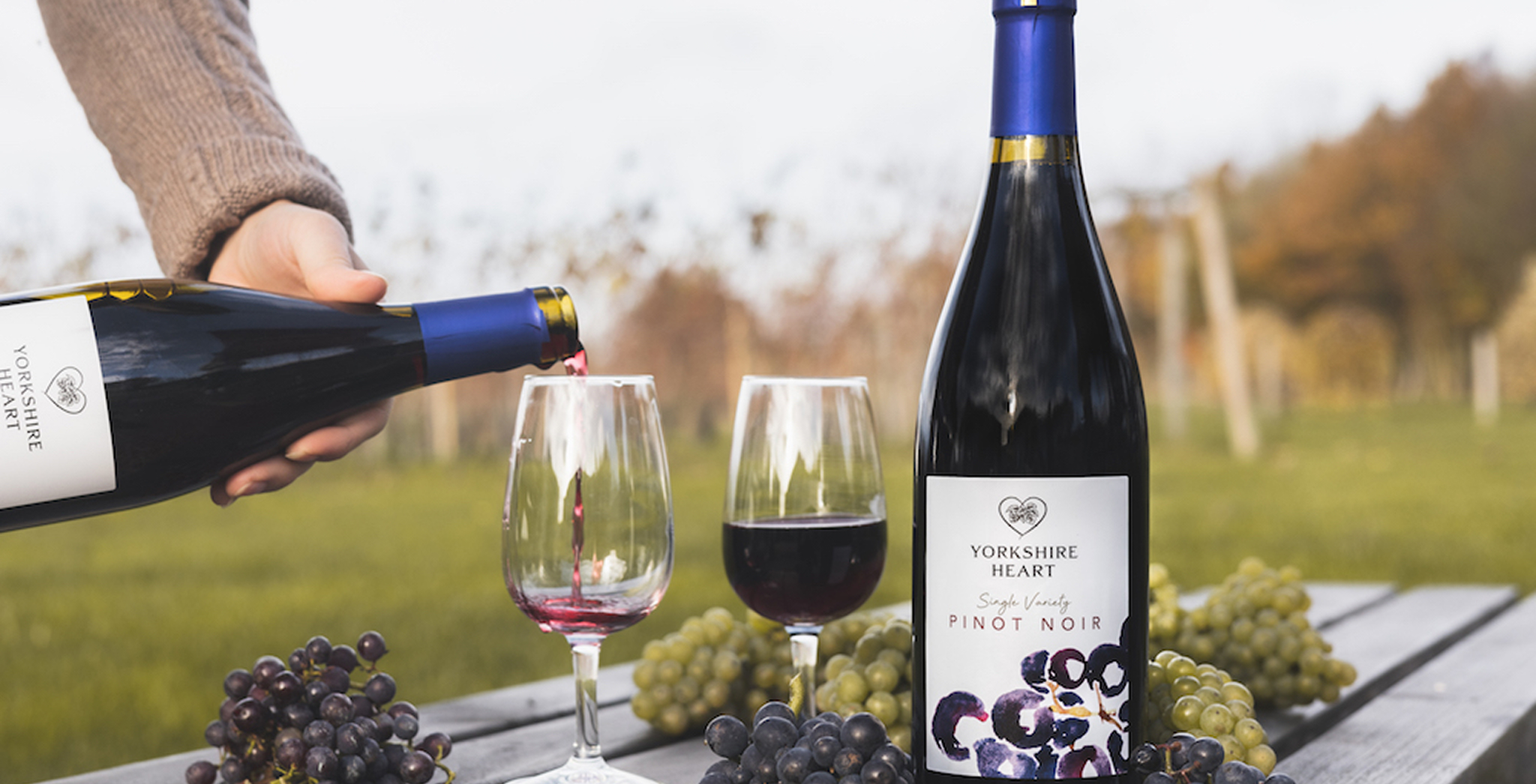
Do you have to spit at a wine tasting?
No. Spitting is entirely optional, and at a small tasting like ours most people swallow.
The spittoon is there for a practical reason rather than an etiquette one. Six 50ml pours works out at roughly one to two large glasses of wine, which is more than enough to affect you if you are driving, working afterwards, or tasting on an empty stomach. Spitting lets you taste everything properly without any of that.
It is also standard practice at trade tastings, where people might work through forty wines in an afternoon. Nobody will think you are being precious about it. Equally, nobody will look at you sideways for finishing the glass. Do whichever suits your day.
What to wear to a wine tasting
There is no dress code. Come as you are.
Three things are worth thinking about, though. Wear flat, comfortable shoes if you are doing a guided tour, because you will be walking on grass and soil rather than gravel paths. Bring layers, because the cellar stays cool even in August and the weather here does what Yorkshire weather does.
And go easy on the perfume or aftershave. This is the one most people have not thought about. Since roughly everything you taste in wine actually arrives through your nose, a strong scent will flatten the aromas for you and for everyone sat near you. Save it for the evening.
Dark colours are a sensible choice if you are nervous about red wine and a wobbly hand. It happens to all of us eventually.
Wine tasting etiquette in five lines
Hold the glass by the stem, not the bowl
Let the host pour, and do not worry that the measure looks small
Eat between wines, because the nibbles are there to reset your palate
Drink the water. Pace yourself
Pour away anything you do not enjoy. Nobody minds, and nobody is offended
Wine tasting at Yorkshire Heart
We run four wine experiences, and they suit very different days out.
| Experience | Format | What is included | Best for |
|---|---|---|---|
| Cellar Door: Classic | Self-guided, no time limit | Three 50ml pours from the Latimer range: white, rosé and red, plus three nibbles | A relaxed first taste |
| Cellar Door: Signature | Self-guided, no time limit | Six 50ml pours across our sparkling, the Latimer range, Winemaker’s Choice and limited edition single varietals, plus three nibbles | Anyone wanting the full range |
| Vineyard Tour & Wine Tasting | Guided, approx. 1.5 hours, from £30pp | Glass of sparkling on arrival, guided walk through the vines and winery, tasting of three still wines with nibbles | A proper day out and the story behind the wine |
| An Evening in the Vineyard | Guided, evening, from £60pp | Canapés and sparkling at 6.30pm, twilight tour of the vines, three-course dinner with half a bottle of Latimer per person, finishing around 10pm | A special occasion or a proper date night |
The nibbles are not an afterthought. Both cellar door tastings come with three of your choice from cheese, meats, crackers, olives and chocolate, so you build your own small grazing board as you go.
If you want to stretch the visit out, you can add a Light Lunch Platter or a Yorkshire Afternoon Tea to either booking, or just carry on into the Winehouse Café afterwards. Plenty of people arrive for a tasting at eleven and are still on the terrace at three.
Tastings run Tuesday to Sunday, all year round. We are closed on Mondays outside bank holidays, and booking ahead is sensible because weekends fill up.
Getting here. We are on Pool Lane in Nun Monkton, just off the A59 between York and Harrogate, with free parking on site. The nearest station is Hammerton on the York to Harrogate line, about three miles away, but there is no footpath from the station, so pre-book a taxi for that last stretch.
You can see what our wines have won on our awards page if you want to know what you are getting into.
Trying wine tasting at home
The five S’s work just as well at your kitchen table, and practising at home is the fastest way to get comfortable before a proper tasting.
You need three things: three contrasting wines, one glass each so you can go back and compare, and something to eat between them. Pour small measures, work from lightest to heaviest, and write down one word for each wine before you move on. That last bit matters more than it sounds. Naming something, even badly, is what makes you notice it next time.
A white, a rosé and a red from the same producer is the ideal set, because you are comparing three genuinely different characters made by the same hands. Our Latimer Wine Taster Pack is built for exactly that, and if it is out of stock you can put the same trio together from our Yorkshire wines.
Come and taste them properly
The best way to understand a wine is to drink it where it was grown, with the person who made it stood next to you. Book a tasting, bring someone good, and take your time. There is no clock, no test, and no wrong answer.
Wine tasting FAQ's
At our cellar door, as long as you like. There is no time limit on Classic or Signature tastings, so once your wine is poured the table is yours. Elsewhere, most tastings run between 45 minutes and two hours. Our guided Vineyard Tour and Wine Tasting takes around an hour and a half.
No. Not a thing. A tasting is not a test, and nobody will ask you to identify anything. Your host talks you through each wine as it is poured, and questions are welcome at any point. Most people arrive knowing what they like and leave knowing why.
No. Spitting is optional and most people at a small tasting swallow. The spittoon is there so you can taste everything without drinking a lot, which is useful if you are driving or tasting a full flight. Nobody will judge you either way.
Please plan not to. This is the one part of the day worth sorting out before you book.
The drink-drive limit in England, Wales and Northern Ireland is 80mg of alcohol per 100ml of blood. In Scotland it is 50mg. The important thing is that there is no reliable way to work out where you sit against those limits. How alcohol affects you depends on your weight, your metabolism, what you have eaten and how quickly you drank, and none of that can be counted in units on the day. The official guidance from both GOV.UK and Drinkaware is that the only safe amount to drink before driving is none.
So bring a designated driver, book a taxi, or make a night of it. Mobile signal is patchy out here in the vines, so pre-book your taxi rather than assuming you can call one at the end.
If you would rather not travel at all, we have somewhere for you to stay on site, including camping and glamping in the middle of the vineyard. There is also a list of places to stay nearby if you want a proper bed and a full Yorkshire breakfast. You are welcome to leave the car with us overnight if you take a taxi home. Just let us know.
Yes, please. Tastings run Tuesday to Sunday all year, but they are popular and weekends often sell out. Booking online secures your slot. We are closed on Mondays outside bank holidays.
Children are welcome on site and in the Winehouse Café, but our guided vineyard and brewery tours are designed for adults. If you are visiting as a family, the Vineyard Picnic is the better option. Give us a ring if you want to check before booking.
Yes. Both cellar door tastings come with three nibbles of your choice from cheese, meats, crackers, olives and chocolate. The guided tour includes a plate of nibbles alongside the tasting. You can add a Light Lunch Platter or a Yorkshire Afternoon Tea to any booking.
Pour it away. Honestly, nobody minds. Not liking a wine tells you as much as liking one, and part of the point of a tasting is finding out where your taste actually sits. Tell us what you did not like about it and we will find you something better.
The Winehouse Café, terrace and toilets are all on the ground floor and fully accessible, so cellar door tastings are straightforward. The vineyard itself is grass and soil, so access on the guided walk depends on the weather. Ring ahead and we will talk you through it.

Sign up for news and special offers
Subscribe to our newsletter to be the first to hear about exciting news, updates, events and receive exclusive offers.