

Fermentation is the main difference between an ale and a lager. Both lager and ale are types of fermented alcoholic drinks made from grains, water, yeast and hops. However there are other varying features such as colour, taste, aromas and volume that make them different. An ale is defined by being a top-fermented beer compared to a lager which is a bottom-fermented beer.
Ale
Ales are brewed with top-fermenting yeast strains and are fermented at a warm temperature. Typically, ales have a shorter maturation time, as the warmer fermentation temperatures speed up the fermentation and conditioning process.This means usually ales are sweeter and fuller bodied than lagers and are more bitter from the hops. Ales tend to be more robust and complex in terms of flavour with popular ales including brown ale, pale ales and stout.
The yeast used for ale is Saccharomyces cerevisiae and is the same type of yeast used to make bread. This is so the yeast is capable of fermenting the ale at warm temperatures. Kept at a high temperature, the fermentation technique can make ale in as little as seven days.
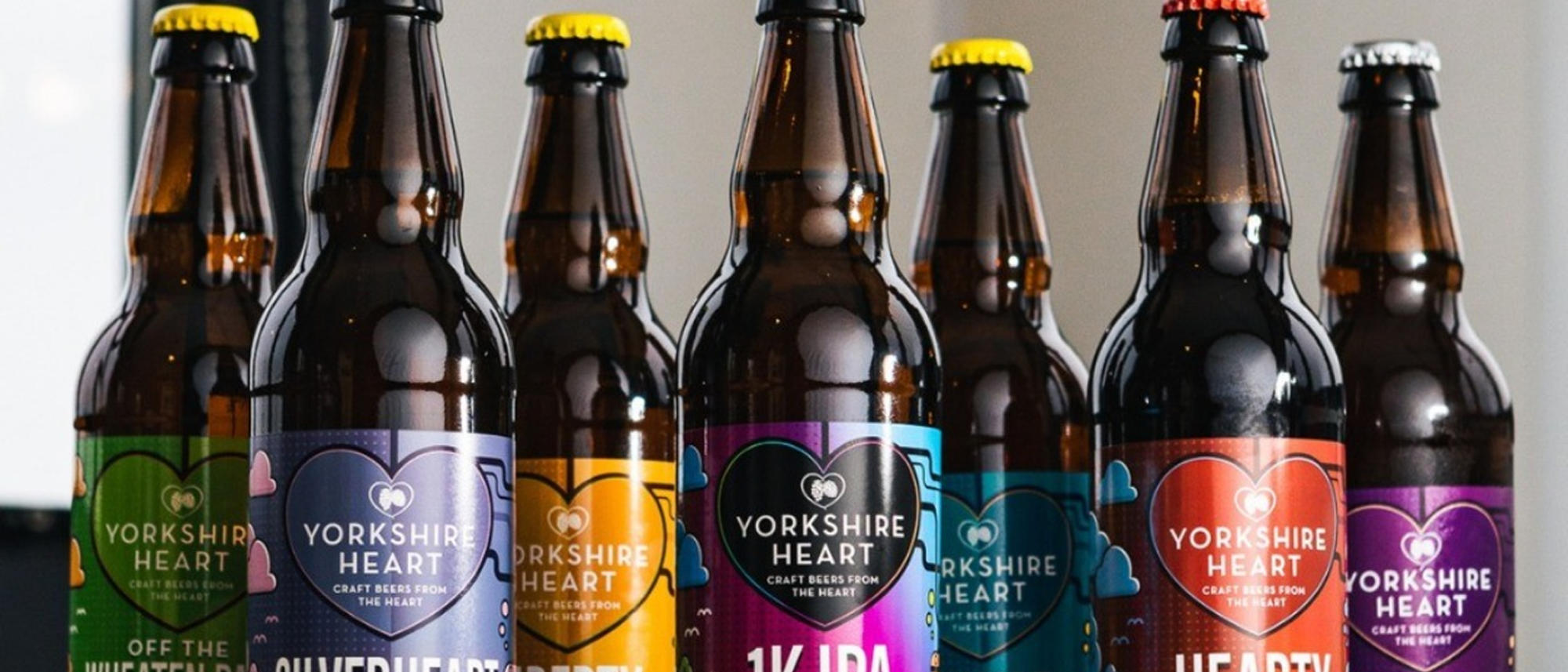
Yorkshire Heart Ales
Lager
Whereas lagers tend to be smoother with crisp notes from the cold, slow fermentation. This is because lager is a beer made with bottom-fermenting yeast strings and fermented at cooler temperatures. Lagers require longer maturation periods due to the cooler fermentation temperatures. This extended conditioning contributes to the clean and smooth characteristics of lagers. Usually they have lower fruitiness than ales too.
The yeast in beer directly impacts the alcohol content. So the yeast in ale tolerates higher-alcohol environments which is why ales usually have a higher alcohol content than lager.
Lager Yeast
Lager yeast is Saccharomyces pastorianus and is used to ferment at cold temperatures while metabolising complex sugars. After the fermentation process, the lager needs to be in cold storage in order to mature.