

Spotted orange wine on a menu and wondered what on earth it is? You’re not the only one. It’s gone from sommelier secret to TikTok favourite in the space of a few years, and it’s still one of the most misunderstood wines you can order.
Here’s the simple answer. Orange wine is a white wine made using a red wine technique. The colour comes from extended contact with the grape skins during fermentation, not from oranges (we promise).
In this guide, we’ll walk you through how orange wine is made, what to expect when you pour a glass, the food it loves, the myths worth ignoring, and the small but spirited group of English producers, ourselves included, making orange wine on home soil.
What is orange wine?
Orange wine is a white wine fermented in contact with the grape skins, which gives it a deeper amber colour, more texture and gentle tannins.
If you’re picturing a colour spectrum from red to white, orange wine sits roughly where you’d expect. Lighter than a red, deeper than a rosé, and noticeably darker than a white. The shade itself can range from pale straw-gold to a properly burnished amber, depending on how long the skins stayed in.
You’ll also see it called amber wine or skin-contact wine. All three names describe the same thing. Think of it as a white wine with the structure of a light red, and you’re in the right area.
How is orange wine made?
Quick refresher on standard winemaking. Red wines ferment with the grape skins, which is where they get their colour and tannins. White wines don’t; the juice is pressed off the skins straight away. (We’ve got a proper deep-dive on this in our guide to the differences between red and white wine if you fancy the longer read.)
Orange wine flips the white wine rulebook. The skins stay in during fermentation, anywhere from a few days to several months. That extended contact pulls colour, tannins and a different set of aromatic compounds out of the skins, and the result is a wine that drinks somewhere between a white and a light red.
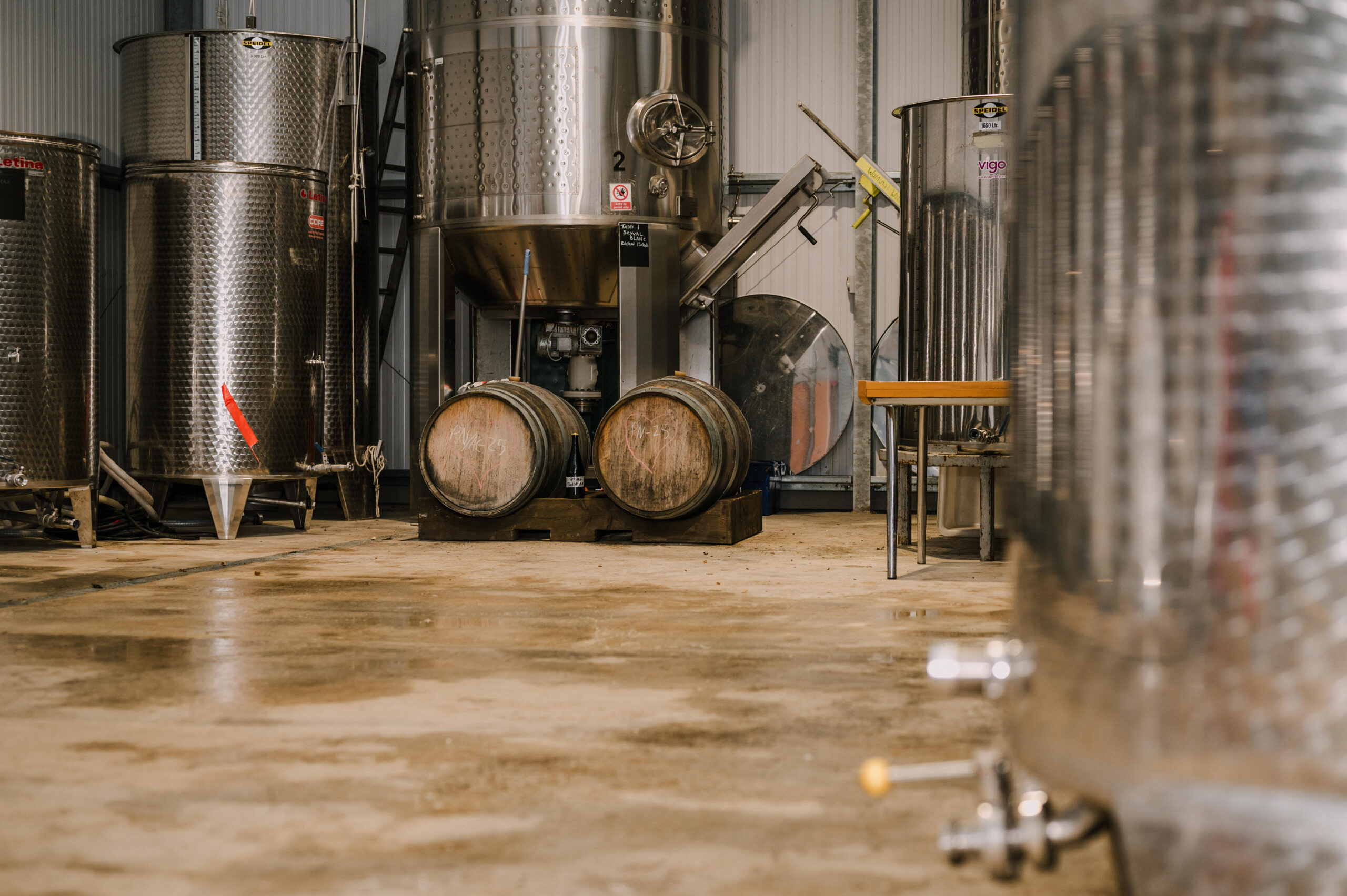
Traditionally, this happens in a qvevri (pronounced kway-vree), a large clay vessel buried in the ground that’s been used in Georgia for thousands of years. These days, plenty of producers also use stainless steel, oak barrels or terracotta. The vessel shifts the character of the wine, but the principle stays the same. Skins in, longer contact, more colour and grip.
What does orange wine taste like?
If you’re a regular white wine drinker, your first sip of orange wine will feel familiar and surprising at the same time. You get the freshness of a white, with the texture and grip of a light red.
The aromas tend to land in really distinctive territory. Dried orange peel, apricot, peach, honey, hazelnut, bruised apple, sourdough, and herbal or tea-like notes. Some bottles lean fruity and bright. Others lean savoury, nutty, and what wine folk like to call “funky” (in a good way, mostly).
A quick word on tannins, because this is the bit that throws people. Tannins are the slightly drying, grippy feeling you get from a black tea that’s been brewed a little too long, or from biting into a grape skin. Reds have lots of them. Whites have almost none. Orange wines sit in between: present, but usually softer than red wine tannins.
The styles cover a wide range. At one end, lighter and fruitier wines made with just a few days on the skins drink almost like a textured white. At the other, you’ll find bolder, more oxidative bottles aged for months on skins, with deep amber colour and serious savoury character. We won’t pretend you’ll love all of them on the first try. Working out which end of the spectrum you prefer is half the fun.
Is orange wine the same as natural wine?
You can be forgiven for thinking they’re the same. They often share shelf space, Instagram followers, and a similar crowd of fans. But they’re not the same thing.
Natural wine is a philosophy. Minimal intervention in the vineyard and the cellar, often no added yeasts, low or no sulphur, and so on. Orange wine is a production method: a white wine made with extended skin contact.
You can absolutely have an orange wine made with conventional winemaking. You can also have a natural wine that’s a red, a white or a rosé. The two overlap often. They don’t mean the same thing.
Is orange wine actually a new thing?
Not even slightly. Orange wine is, in fact, one of the oldest styles of wine in the world.
Archaeologists trace it back roughly 8,000 years to Georgia (the country, not the US state), where wines were fermented in those buried qvevri we mentioned earlier. For most of human history, this is broadly how white grapes were turned into wine. The modern habit of pressing the juice off the skins straight away is a relatively recent invention.
The current revival kicked off in the 1990s, when winemakers like Joško Gravner in Friuli, north-east Italy, and producers in neighbouring Slovenia rediscovered the technique and started making it again. From there, the style spread through wine bars, sommelier circles and, eventually, your local high-street wine shop. And here we are.
How alcoholic is orange wine?
About the same as most still wines. Most orange wines come in between 11% and 14% ABV, with bolder, riper examples sometimes pushing a bit higher.
Worth knowing: skin contact affects colour, tannins and flavour, but it doesn’t change the alcohol level. ABV is decided by how ripe the grapes are at picking and how the wine is fermented, not by how long the skins stay in.
Does orange wine have any health benefits?
You’ll see claims floating around that orange wine is somehow “healthier” than other wines. Let’s be straight with you on this one.
Skin contact during fermentation can mean orange wines contain higher levels of antioxidants and polyphenols than most conventional white wines, sitting somewhere between white and red wine in this respect.
That’s a characteristic of the wine, not a health recommendation. No health body recommends drinking wine for its benefits, and any positives should always be weighed against the well-documented risks of alcohol. If you’d like to read more, drinkaware.co.uk is the place to go. Always drink responsibly.
What food pairs well with orange wine?
This is where orange wine really earns its keep. Because it bridges white and red, it pairs with food that most whites simply can’t handle.
Some of the strongest matches:
- Indian and South Asian curries (those gentle tannins handle spice far better than most whites)
- Middle Eastern and North African dishes: tagines, mezze, anything with harissa
- Korean and Japanese fermented flavours like kimchi and miso
- Hard cheeses and aged charcuterie
- Roast lamb, duck and other rich meats that white wine can’t quite stand up to
- Nutty, umami-rich dishes such as mushrooms, miso and aged parmesan
What to avoid? Very delicate fish dishes, where the tannins can clash. Save the orange wine for the lamb, and pour something gentler with the sole.
How should I serve orange wine?
Slightly warmer than fridge-cold. Aim for 12 to 14°C, which is roughly cool room temperature. Too cold and you’ll mute all that lovely texture and aroma.
A standard white wine glass is fine. Some sommeliers prefer a fuller bowl to let the aromatics open up, but honestly, use what you’ve got. If you’re opening something bold and tannic, decanting for around 30 minutes before serving makes a real difference.
What about orange wine in England (and here at Yorkshire Heart)?
The English wine scene has matured fast. Most of the headlines still go to our sparkling wines, and rightly so, but a small, adventurous group of English vineyards is now making genuinely interesting orange wines from cool-climate grapes. Cool, slow-ripened English fruit is well suited to skin-contact winemaking, where structure and aromatic complexity matter more than ripe richness.
Orange wine at Yorkshire Heart
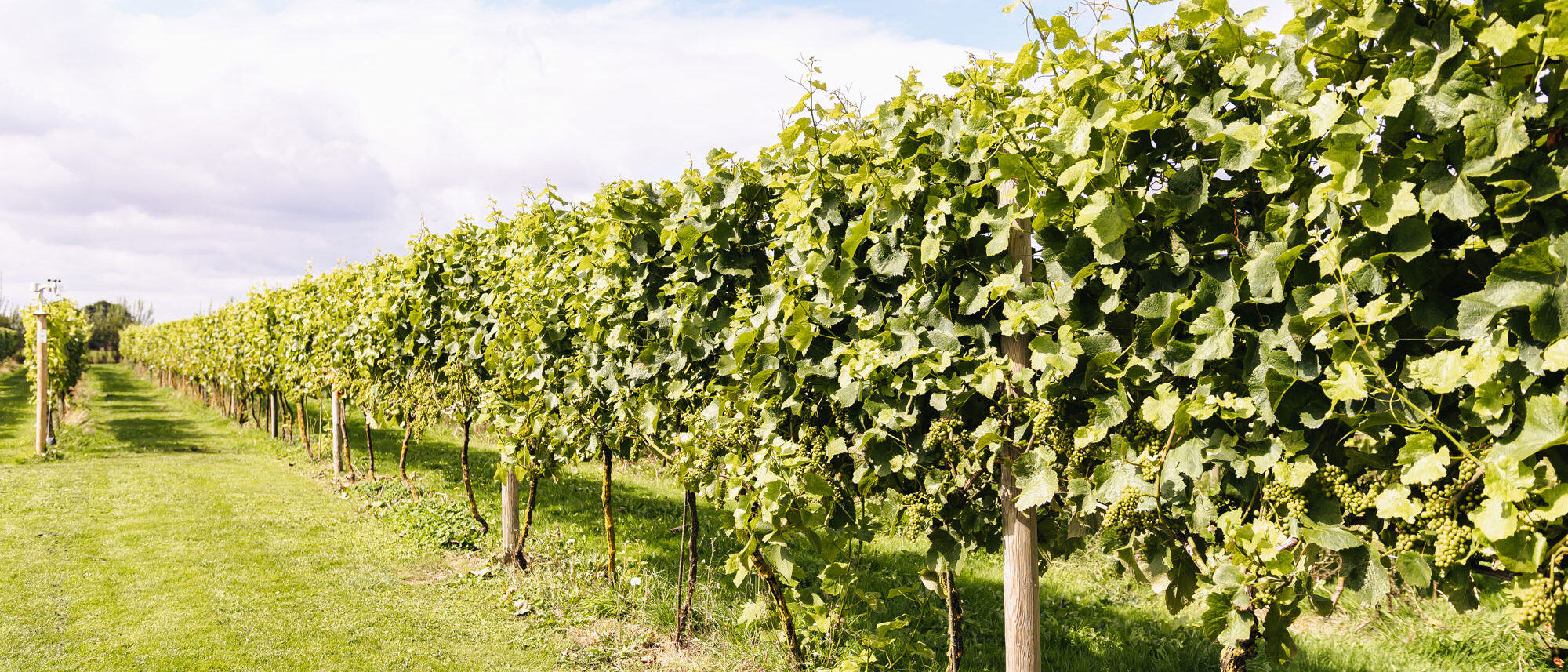
We’ve made orange wine here at our vineyard in Nun Monkton before, and we’ll be making it again. It’s one of the styles that genuinely excites Gillian, and a category we’ve quietly been experimenting with as a small-batch project alongside our main range.
We make it in small batches on purpose. Skin-contact winemaking rewards experimentation, the runs are limited by what each harvest gives us, and we’d much rather make a small amount of something we’re proud of than a large amount of something average. It’s a craft style, and we’re treating it as one.
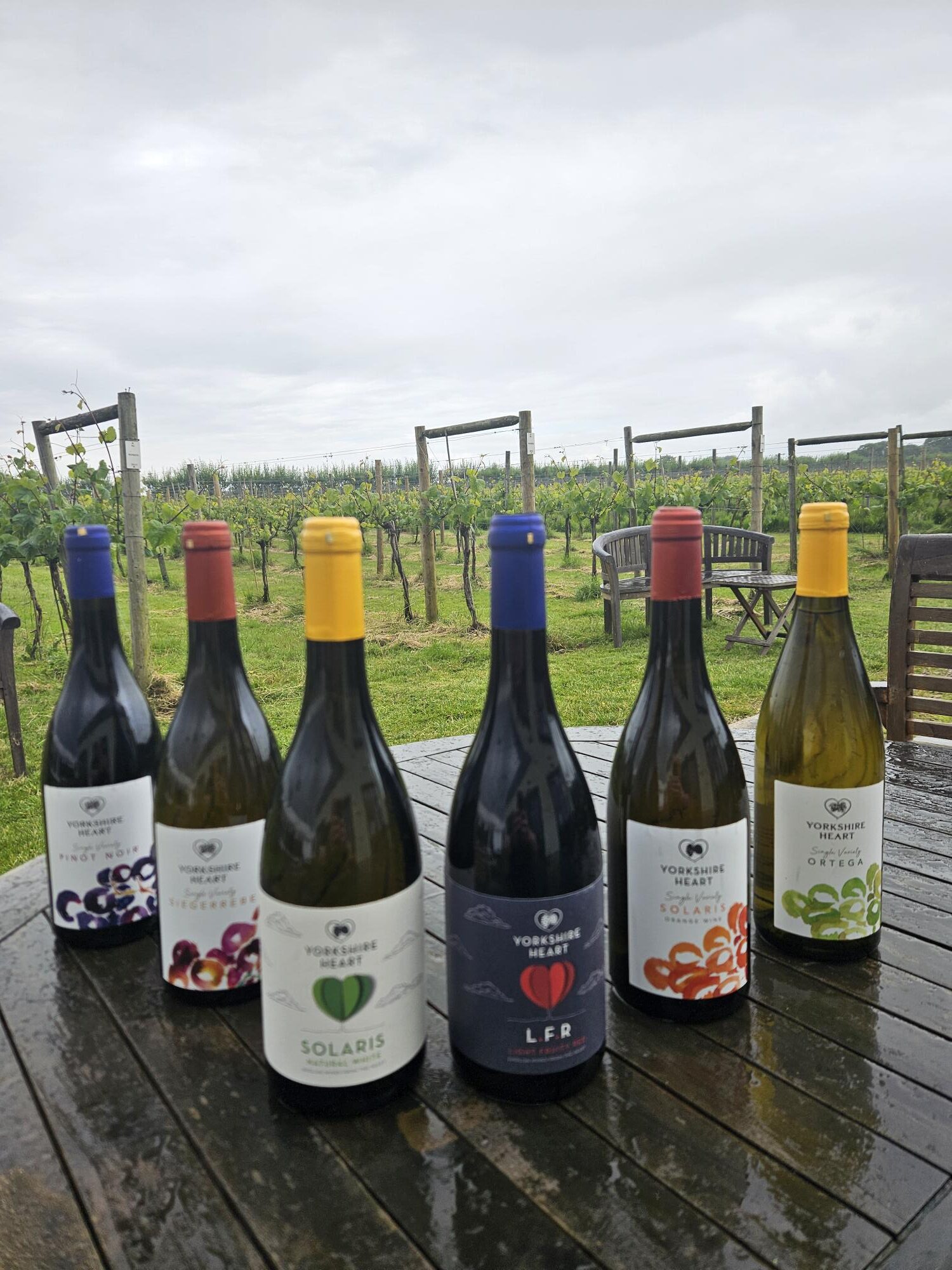
When the next release lands, you’ll find our Solaris Orange wine right here on the website. Past batches have tended to disappear fairly quickly, so the easiest way to be first in the queue is to pop your email in our newsletter at the bottom of any page on the site.
Other English producers worth knowing
We’re a small industry, and there’s no point pretending we make the only orange wine in the country worth drinking. If you’d like to explore the category in English form, here are a handful of producers doing genuinely brilliant work:
- Tillingham (East Sussex): pét-nats, rosés and orange wines made in qvevri in the Georgian style.
- Westwell (Kent): their Ortega Skin Contact, fermented on skins with wild yeasts and aged in old Burgundy barrels, is a benchmark.
- Litmus Wines (Surrey): their Bacchus-based orange wine is often described as England’s answer to a skin-contact Sauvignon Blanc.
- Limeburn Hill (near Bristol): biodynamic and certified organic, producing amber and skin-contact whites.
- Davenport Vineyards (Kent): natural-wine pioneers, certified organic since 2000.
- Oxney Estate (East Sussex): organic estate producing skin-contact styles alongside their main range.
The English wine industry is small, agile and experimental, and orange wine is one of the styles where you can taste that creativity most clearly. For a wider view of what’s happening on home soil, WineGB is a good place to start.
Should you give orange wine a try?
If you enjoy trying new things, orange wine is one of the most rewarding categories in wine right now. It bridges white and red, it works with food that most wines can’t handle, and once you’ve found the style you like, it tends to stick.
Our advice for first-timers: start gentle. Look for a lighter, fresher bottle with shorter skin contact before you reach for the funkier, longer-macerated end of the spectrum. And if you’d like to know the moment our next batch lands, sign up to our newsletter and we’ll let you know.
In the meantime, you’re very welcome to explore the rest of our English wine range, or come and visit us at the vineyard for a tour and tasting. While you’re falling down the curious-wines rabbit hole, our piece on what sparkling red wine is is worth a read too.
We’ll put the kettle on. Or pour you something better.

Sign up for news and special offers
Subscribe to our newsletter to be the first to hear about exciting news, updates, events and receive exclusive offers.