

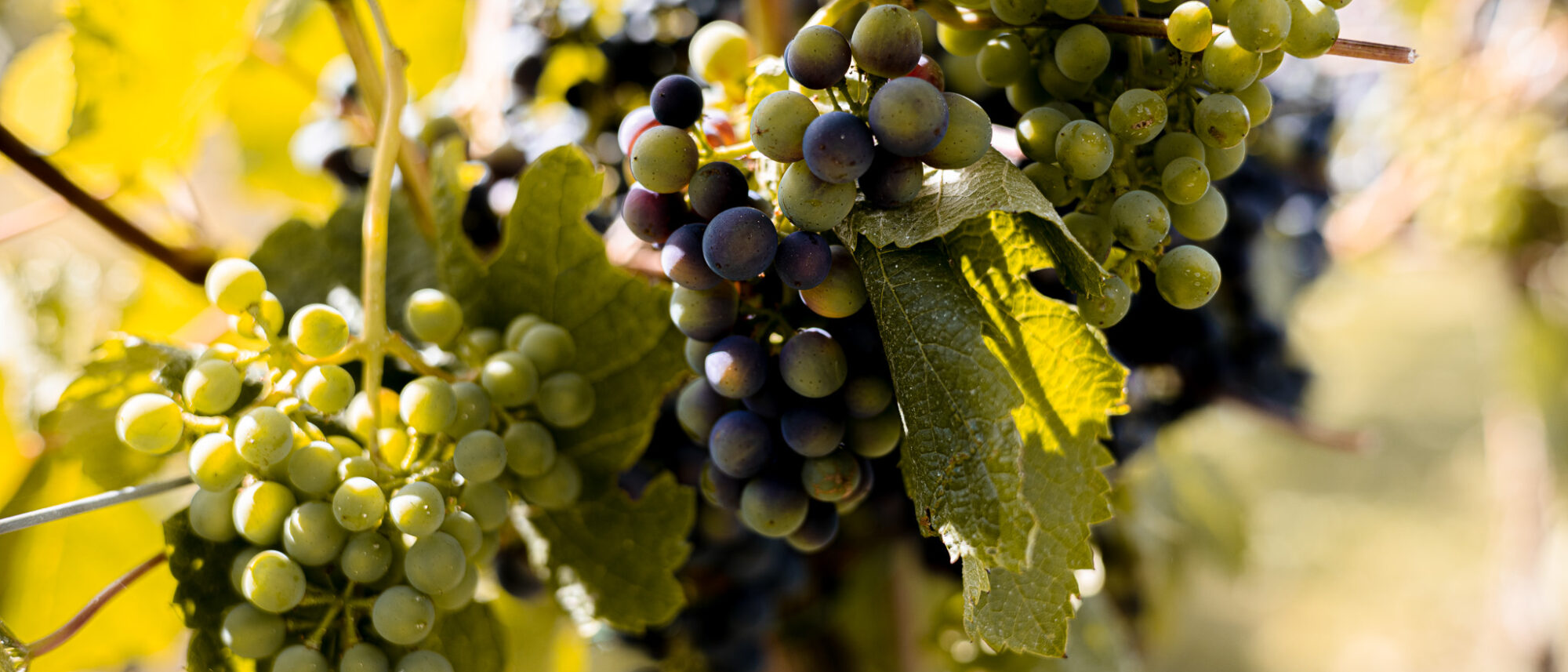
Wine making follows six core stages: harvesting the grapes, crushing and pressing, fermentation, clarification, ageing, and bottling. The exact process varies depending on whether you’re making red, white, rosé or sparkling wine, with the biggest difference being how long the grape skins stay in contact with the juice.
The Six Steps of Wine Making
- Harvest – picking the grapes at the right moment of ripeness.
- Crushing and pressing – releasing the juice and deciding whether to keep or remove the skins.
- Fermentation – yeast converts the natural sugars into alcohol.
- Clarification – settling and filtering out the solids.
- Ageing – maturing the wine in steel or oak to develop flavour and structure.
- Bottling – the final step, with or without further bottle ageing.
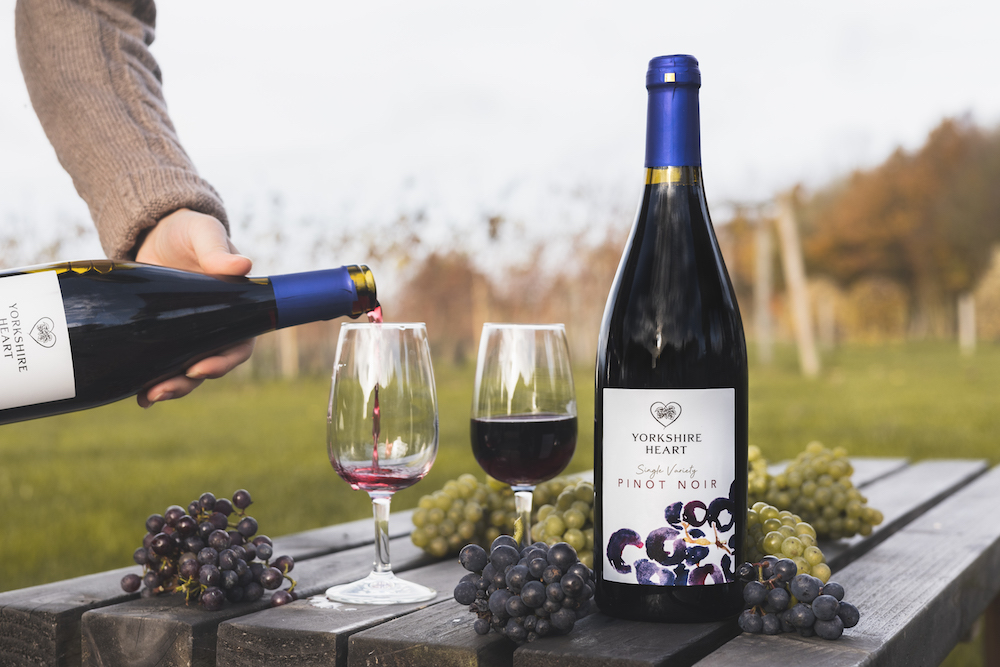
From Grape to Glass
Making wine is one of those crafts that looks simple from the outside and gets more interesting the closer you look. Each stage involves dozens of small decisions, and those decisions shape everything you eventually taste in the glass.
This is how we make wine at our Yorkshire vineyard, stage by stage, from the first grapes coming off the vine to the cork going into the bottle. The principles are the same the world over, but the details (and the climate) make every winery’s approach its own.
Step 1: Harvesting the Grapes

Harvest is the moment everything has been building towards. Get it right and the wine almost makes itself. Get it wrong and no amount of cellar work can fully fix it.
Why timing is everything
The picking date comes down to one thing: the balance between sugar and acid in the fruit. As grapes ripen, their sugar levels rise and their acidity falls. We’re looking for the sweet spot where both are in harmony. Too early, and the wine will taste sharp and thin. Too late, and it’ll feel flat and overly alcoholic.
We check the grapes daily in the weeks before harvest, measuring sugar levels (often called Brix) and tasting the fruit. The numbers matter, but so does the taste of the skin, the texture of the pulp, and the flavour of the seed.
Harvest in a cool climate
English vineyards typically harvest between mid-August and late October, several weeks later than warmer regions in France or Spain. Our cool climate means a longer, slower ripening season, which is actually a gift: it gives us wines with vibrant aromatics and bright natural acidity.
Hand-picking vs machine picking
We hand-pick at Yorkshire Heart. It’s slower and more expensive, but it lets us select only the fruit that’s ready and leave damaged or unripe bunches behind. For Pinot Noir and the grapes destined for our sparkling wines, we often pick whole bunches to keep the fruit intact until it reaches the press.
Step 2: Crushing and Pressing
Once the grapes are in, the clock starts ticking. The fruit needs to be processed quickly to keep it fresh and prevent unwanted oxidation.
Destemming and crushing
First we run the grapes through a destemmer, which separates the fruit from the stalks. The grapes are then gently crushed to break the skins and release the juice. Modern mechanical crushers do this with a light touch. The traditional foot-treading method still exists in a few places (mostly in Port country), but it’s more ritual than necessity these days.
The fork in the road
This is where red and white winemaking diverge. For white wine, we press the grapes straight away and separate the juice from the skins, seeds and pulp before fermentation begins. For red wine, we leave everything together so the skins can release colour, tannin and flavour into the juice during fermentation.
It’s a single decision, but it drives almost everything about the finished wine. If you want to go deeper on this, we wrote a whole guide on the differences between red and white wine.
Step 3: Fermentation
Fermentation is the bit of winemaking that feels almost magical. It’s also the bit where the wine truly becomes wine.
What fermentation actually is
In simple terms, yeast eats the natural sugars in the grape juice and converts them into alcohol and carbon dioxide. The CO2 bubbles off, the alcohol stays behind, and you’re left with wine. The chemistry is straightforward. The art is in controlling it.
Wild vs cultured yeasts
Some winemakers rely on the wild yeasts that arrive naturally on the grape skins. Others add carefully selected cultured yeasts to get a predictable, reliable ferment. There are good arguments for both. Wild ferments can produce more complex, characterful wines, but they’re slower and riskier. Cultured yeasts give us more control.
Temperature matters
There’s usually a 6 to 12 hour window after pressing or crushing before fermentation kicks off. Once it does, temperature control becomes critical.
We ferment our white wines cool, between 12 and 18°C, which protects their delicate aromatics and keeps them fresh. Reds ferment warmer, between 22 and 30°C, which helps extract colour and tannin from the skins. Most ferments run for a week to a month, depending on the wine.
Malolactic fermentation
After the main fermentation, many reds and some whites go through a second, gentler process called malolactic fermentation. Bacteria convert the sharp malic acid (the same acid you find in green apples) into softer lactic acid. The wine becomes rounder, creamier, and less aggressive on the palate. Most reds benefit from it. Most aromatic whites are kept away from it on purpose.
Step 4: Clarification
Freshly fermented wine looks nothing like the bottle you’d open at home. It’s cloudy, full of dead yeast cells, grape solids, proteins and tartrate crystals. Clarification is the process of cleaning it all up.
Racking, fining and filtering
Racking means transferring the wine off its sediment into a clean vessel, letting gravity do most of the work. It’s the gentlest method.
Fining uses a clarifying agent (egg white, bentonite clay or a few alternatives) that binds to the suspended particles and pulls them out of suspension.
Filtering is more direct: the wine is passed through fine filters that physically remove the remaining solids.
Natural and unfined wines
Some producers skip fining and filtering altogether, preferring to let the wine clarify itself over time. These wines can be cloudier but often carry more texture and complexity. It’s a stylistic choice, not a quality marker either way.
This stage takes anywhere from a few weeks to several months, depending on the wine and the approach.
Step 5: Ageing and Maturation
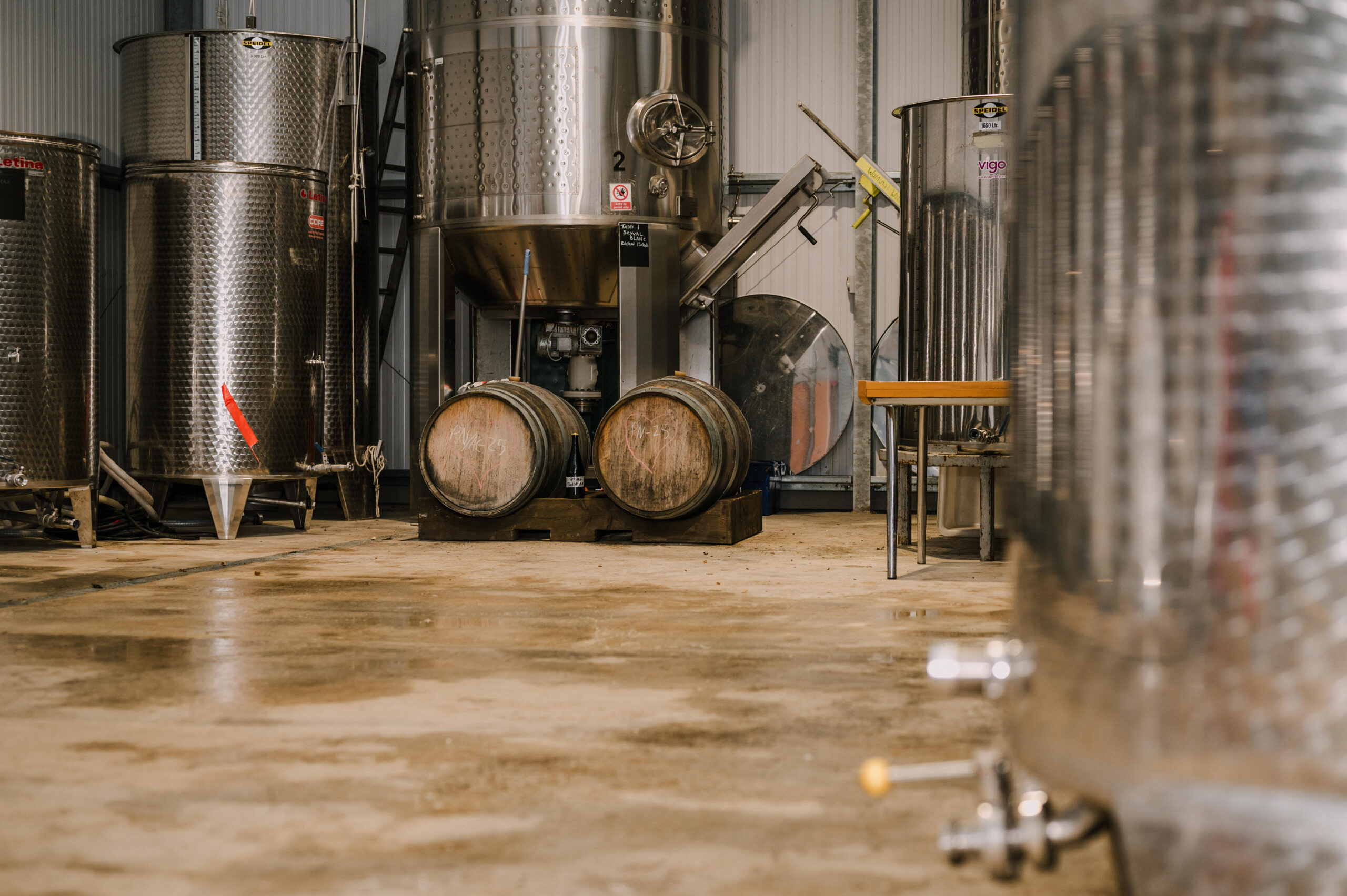
This is where wine slows down and takes on its mature character. The choices made here, what to age in, for how long, and in what condition, leave a clear fingerprint on the finished bottle.
Stainless steel or oak?
Stainless steel is neutral. It doesn’t add flavour, it doesn’t let oxygen in, and it preserves the bright, fresh character of the wine. Most modern whites and many lighter reds age in steel for this reason.
Oak is the opposite. It breathes gently, lets the wine soften over time, and contributes its own flavours: vanilla, spice, toasted notes, sometimes a hint of coconut or cedar. It also adds a different kind of tannin to the wine, which helps with structure and ageing potential.
French oak vs American oak
French oak is finer-grained and gives subtler, more refined notes. American oak is bolder, more vanilla-driven, and tends to suit big reds. Both come in different “toasts” (light, medium or heavy charring inside the barrel), and the toast level changes the flavour the barrel imparts.
New oak vs used oak
A brand new barrel gives up most of its flavour in the first couple of vintages. After that, the barrel still helps the wine through gentle oxygen exposure but contributes far less in the way of taste. Many winemakers prefer used oak for exactly this reason: structure and texture, without the wine tasting like sawdust.
The English approach
Most English still wines lean towards stainless steel or used oak rather than heavy new oak. Our wines tend to be more delicate and aromatic than warmer-climate reds, and a heavy oak treatment would overpower them. We use stainless steel for most of our whites, and a careful touch of oak (often used barrels) for our reds and richer styles.
For our sparkling wines, the base wine spends time on its lees (the spent yeast) for added complexity, and the bottle ageing after secondary fermentation often runs for two years or more.
Step 6: Bottling
Bottling is the final step, but it’s not the moment to relax. Wine is at its most vulnerable here, exposed to air and any contamination on the line, so hygiene is everything.
The bottling line
A modern bottling line fills, corks (or caps), labels and packs at a steady pace. Every piece of equipment that touches the wine has been sterilised, and bottles are flushed with inert gas to push out any oxygen before the wine goes in.
Cork or screw cap?
There’s a persistent myth that screw caps mean cheap wine. They don’t. Screw caps give a consistent seal, eliminate cork taint, and suit wines designed to be drunk young and fresh. Cork is traditional, suits wines built for long ageing, and breathes very slightly over time, which can help complex wines develop.
Both have their place. The closure should match the wine.
Drink now or lay down?
Most wines are made to be enjoyed within a few years of bottling. Big, structured reds and traditional-method sparkling wines often improve with bottle age, but the romantic idea that all wine gets better with time is wrong. Crisp whites, rosé and light reds are usually at their best young.
How the Process Differs by Wine Type

The six stages are the same, but the details change depending on what you’re making.
Red wine
The skins, seeds and sometimes a few stems stay in the juice during fermentation, which releases colour, tannin and flavour. Reds ferment warmer than whites and often spend time in oak to soften and develop. Browse our red wines.
White wine
Grapes are pressed first, and the juice is separated from the skins almost immediately. Fermentation is cooler to preserve aromatics, and most whites age in stainless steel rather than oak. The result is crisper, fresher, and lower in tannin. Take a look at our white wines.
Rosé wine
Made like red wine, but with a much shorter skin contact, anywhere from a few hours to a couple of days. Just enough to tint the wine pink and add a whisper of structure. After that, it’s pressed and finished like a white. Browse our rosé.
Sparkling wine
The base wine is made first, like a still wine. Then a small amount of yeast and sugar is added and a second fermentation kicks off, either in a sealed tank (the Charmat method, used for Prosecco) or in the bottle itself (the traditional method, used in Champagne and for our own sparkling wines). The bottle method takes longer and produces finer bubbles.
The Vineyard Year
Wine making isn’t just six steps in the cellar. It’s a year-round job in the vineyard, and most of the work that determines the quality of the wine happens long before harvest.
Winter (December to February)
The vines are dormant. This is when we prune, cutting back last year’s growth to set up next year’s crop. Pruning is one of the most important jobs of the year. It controls yield, shapes the vine, and influences the balance of the fruit months later. We also repair trellises and check the vineyard infrastructure while there’s time.
Spring (March to May)
Bud break is the first sign of life. New shoots emerge from the canes, and the growing season begins. Late frosts are the biggest risk: a hard frost in May can wipe out a significant portion of the crop. We watch the forecast obsessively, and on the worst nights we’ll be out in the vineyard before dawn doing what we can to protect the buds.
Early Summer (June)
Flowering happens in June, and it’s a delicate time. The vines need warm, settled weather to pollinate well. Cold or wet weather during flowering can mean a smaller crop later in the year. Canopy management starts now too: tucking shoots, removing excess leaves, opening up the fruit zone to sunlight and airflow.
Late Summer (July to August)
Veraison is the moment the grapes change colour, from green to gold for whites, from green to purple for reds. From this point on, the fruit is ripening rather than growing. Mildew pressure can be high in cool, damp seasons, so we keep a close eye on the canopy.
Autumn (September to October)
Harvest. Months of work culminate in a few intense weeks of picking.
Late Autumn (November)
The vines go back to sleep. We tidy the vineyard, plan for next year, and start the long winter cycle again.
What Makes English Wine Different
English winemaking has its own character, shaped almost entirely by climate.
Our cool, maritime conditions give us long, slow ripening seasons that produce wines with high natural acidity and refined, lower-alcohol structures. The same conditions that make growing grapes here a challenge are exactly what make English sparkling wine world-class: high acidity is essential for great fizz, and we have it in abundance. English sparkling regularly beats Champagne in blind tastings.
For still wines, the varieties that thrive here aren’t the famous international names. They’re cooler-climate specialists: Solaris, Bacchus, Seyval Blanc, Madeleine Angevine, Phoenix and Rondo. Newer plantings of Pinot Noir Précoce (an earlier-ripening clone of Pinot Noir) are producing genuinely exciting reds.
At Yorkshire Heart, we sit in the Vale of York, a relatively sheltered pocket with limestone-influenced soils and a microclimate that suits these varieties well. Come and see our Yorkshire vineyard for yourself.
How Long Does It Take to Make Wine?
The honest answer is “longer than you’d think,” and it depends entirely on the style.
- Still white wine: 6 to 12 months from harvest to bottle.
- Still red wine: 12 to 24 months, sometimes longer with extended oak ageing.
- Sparkling wine (traditional method): 2 to 5+ years, including the time spent on its lees in the bottle.
And the wine continues to develop after bottling. A young sparkling wine will keep evolving for years in the cellar, and a structured red can improve for a decade or more.
Frequently Asked Questions
How long does it take to make wine?
Anywhere from six months for a fresh white to several years for a traditional-method sparkling wine. Most still wines are released within 12 to 24 months of harvest, while sparkling wines spend at least two years in the bottle before being disgorged and prepared for sale.
What is fermentation in wine making?
Fermentation is the process where yeast converts the natural sugars in grape juice into alcohol and carbon dioxide. It usually takes a week to a month, and the temperature is carefully controlled: cooler for whites to preserve freshness, warmer for reds to extract colour and tannin from the skins.
Why is wine aged in oak barrels?
Oak does two things. It lets a tiny amount of oxygen interact with the wine over time, which softens tannins and adds complexity, and it contributes flavours like vanilla, spice and toast. Stainless steel keeps wines fresh and bright. Oak rounds them out. The choice depends on the wine’s style.
What’s the difference between red and white wine making?
The main difference is skin contact. For red wine, the grape skins stay in the juice during fermentation, giving colour, tannin and bold flavour. For white wine, the skins are pressed out first, producing a paler, crisper, less tannic wine. Reds also ferment warmer and more often see oak ageing.
Can you make wine without yeast?
Not really. Yeast is what converts grape sugar into alcohol, so without it you just have grape juice. However, you don’t always need to add yeast. Wild yeasts that live naturally on grape skins and in the winery can start fermentation on their own. Most modern wineries use a mix of approaches.
What time of year are grapes harvested in England?
English vineyards usually harvest between mid-August and late October. The exact date depends on the grape variety, the weather, and how the season has progressed. Earlier-ripening varieties like Solaris and Madeleine Angevine come in first, with reds and later-ripening whites following through September and October.
How is sparkling wine made?
Sparkling wine starts as a still base wine. Yeast and sugar are added for a second fermentation, which produces carbon dioxide and traps it as bubbles. The traditional method, used in Champagne and for our own sparkling wines, does this in the bottle, with the wine ageing on the spent yeast for added complexity.
What does maceration mean in wine?
Maceration is the period when grape skins stay in contact with the juice. It happens during red wine fermentation and is what gives red wine its colour, tannin and flavour. Longer maceration produces deeper, more structured wines. Rosé uses a brief maceration, usually just a few hours.
Vineyard Tours at Yorkshire Heart
Reading about wine making is one thing. Seeing it happen is another. We run regular tours of our vineyard and winery near Nun Monkton, walking you through every stage you’ve just read about, from the vines outside to the tanks and barrels inside.
You’ll see where the grapes grow, watch how we work in the cellar, and finish with a tasting of the wines that come out of the process. It’s the best way to bring the theory to life and probably the easiest way to understand what makes English wine special.
Can’t make it to Yorkshire? Browse our red wines, white wines, rosé and sparkling wines in the shop, and we’ll send a bottle your way.

Sign up for news and special offers
Subscribe to our newsletter to be the first to hear about exciting news, updates, events and receive exclusive offers.