

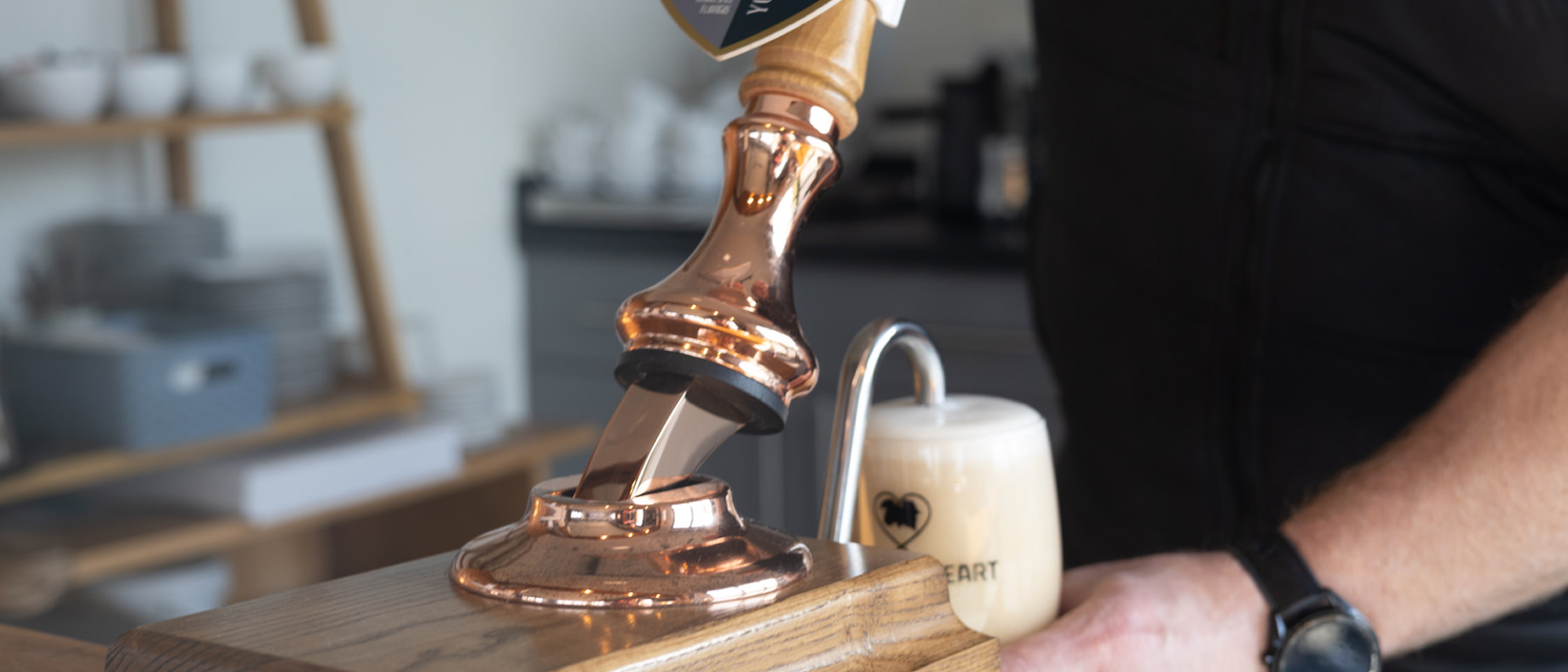
I brew ten different beers on a 12-barrel plant in North Yorkshire, and I get asked the same question all the time: what’s actually the difference between them all?
Fair question. Walk into any decent pub and you’ll see a dozen taps: pale ales, IPAs, stouts, lagers, and the names don’t always tell you much. So here’s a straight answer from someone who brews the stuff.
I’ll walk you through every major beer style using the beers I actually make here at Yorkshire Heart, so you’ll know exactly what to expect when you pick one up.
Types of Beer at a Glance
Before we get into each style, here’s the full lineup side by side. Use this as a quick reference if you want to compare.
| Type | Flavour Profile | Strength | Our Beer | Best For |
|---|---|---|---|---|
| Pale Ale | Citrus, light, balanced | Session | Blonde / T’Otherside | BBQs, fish & chips, everyday drinking |
| IPA | Hoppy, bold, aromatic | Medium-Strong | Silver Heart IPA | Curry, Mexican, big-flavoured food |
| Bitter | Malty, earthy, balanced | Session | Hearty Bitter | Roast dinners, pies, pub grub |
| Golden Ale | Caramel, citrus, crisp | Session-Medium | J.R.T. Golden Best | Cheese boards, lighter meals, summer days |
| Lager | Clean, zesty, refreshing | Session-Medium | Liberty Lager | Seafood, light bites, hot weather |
| Porter | Chocolate, coffee, roasted | Medium | Ghost Porter | Chocolate desserts, steak, strong cheese |
| Stout | Rich, roasted, full-bodied | Medium | Blackheart Stout | Roast dinners, game pies, dark chocolate |
Now let’s get into each one properly.
What Makes One Beer Different from Another?
Every beer starts with four ingredients: malt, hops, yeast, and water. That’s it. The style comes from how you balance them.
Malt gives you colour and body. Roast it lightly and you get a pale ale, roast it heavily and you’re into porter and stout territory.
Hops add bitterness and aroma. Use them sparingly for something smooth and malty, pile them in for a punchy IPA.
Yeast does the actual fermenting, and here’s where the biggest split in beer happens: Ales use warm-fermenting yeast that works at the top of the tank, and lagers use cold-fermenting yeast that works at the bottom. That single difference, warm vs cold, separates the two main families of beer.
Water matters too, more than people think. Our water here in the Vale of York has its own mineral character, and it shapes every beer we brew.
“Our secret ingredient. Sourced from our own borehole, it gives our beers a unique, clean profile that you can’t replicate elsewhere.”
— Tim, Head Brewer at Yorkshire Heart
Understanding the story behind our brewery helps make sense of our beers. We’ve been brewing since 2011 on a 12-barrel plant at Nun Monkton, and every style we make reflects choices about those four ingredients.
Pale Ale: The Everyday Classic
Pale ale is the beer most people start with, and the one most people come back to. It’s brewed with lighter malts that give it a golden colour, balanced with enough hops to keep things interesting but not so many that they overwhelm. The result is a beer that’s approachable, drinkable, and full of character without being demanding.
We brew two pale ales, and between them, they outsell everything else we make.
Blonde
Our bestseller, and for good reason. Blonde is a citrus-forward pale ale with a clean, crisp finish. The kind of beer you reach for on a sunny afternoon and end up having three of. The hop character gives it a zesty brightness without tipping into bitterness. It’s a proper session beer: light enough to drink all afternoon, flavourful enough that you never get bored of it.
Pair with: Fish & chips, BBQ chicken, salads, spicy food
Blonde Ale
Our blonde beer is a delicious pale ale with flavours of citrus running throughout.
With vibrant notes of lemon, grapefruit, and a hint of orange zest, it offers a lively and zesty taste. Light and easy-drinking with a smooth finish, it has an alcohol content of 3.9%, making it perfect for casual sipping or enjoying on a sunny day.
Like all of our beers, Blonde is gluten free.
“The secret to this beer is the New Zealand hops. They give it such a fresh, fruity character that you don’t need a heavy malt base. We worked hard to make it Gluten Free without losing the body, it drinks exactly like a proper craft blonde should.”
— Tim, Head Brewer at Yorkshire Heart
T’Otherside
Our second biggest seller. T’Otherside sits alongside Blonde but takes a slightly different path. If Blonde is the bright, citrusy one, T’Otherside is its more rounded companion. It’s the beer people discover after Blonde and then can’t choose between the two.
Pair with: Burgers, pizza, pub grub
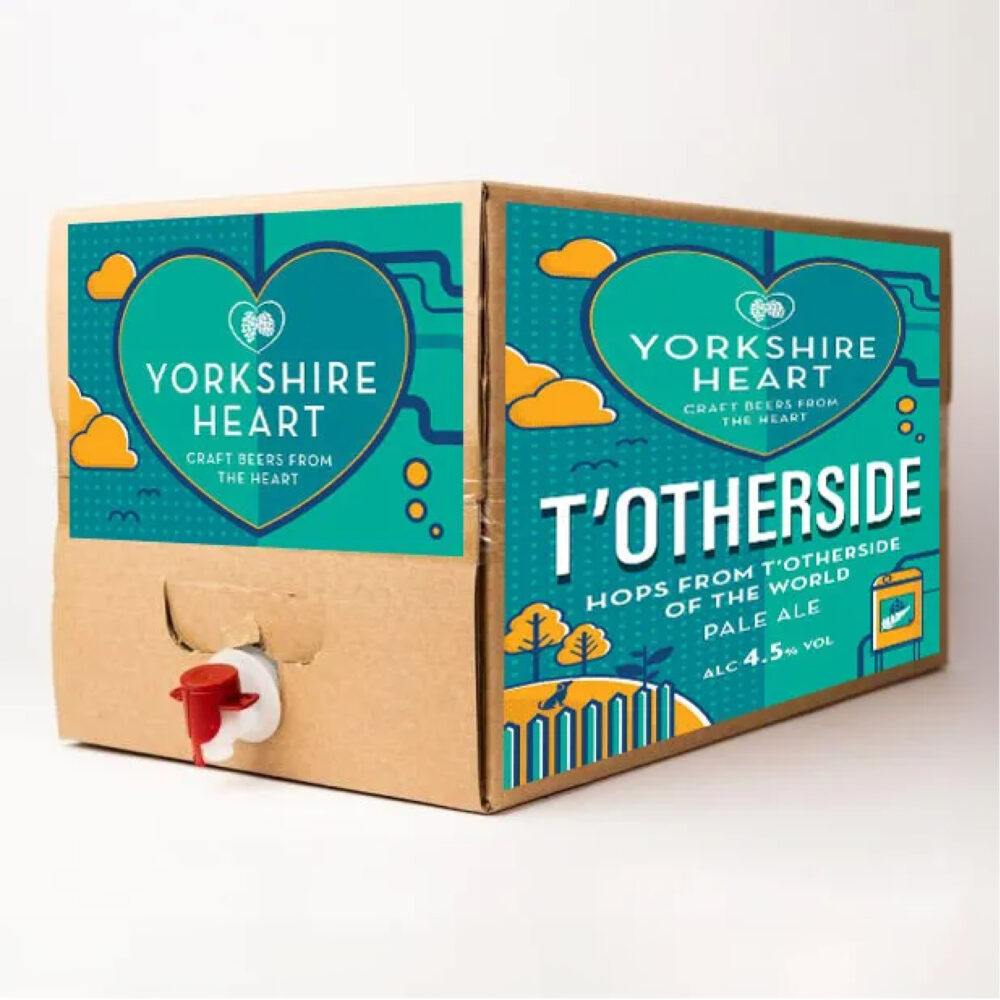
T'Otherside New Zealand Blonde
T’Otherside is a Summer special pale ale. The name is a nod to the other side of the world where the featured citrusy hop flavours are sourced from.
At 4.5% alcohol, it’s a refreshing and vibrant beer perfect for sunny days.
Like all of our beers, T'Otherside is gluten free.
British vs American pale ale
There’s a real difference between the two traditions. British pale ales (like Blonde and T’Otherside) tend to be more balanced and sessionable. American-style pale ales lean harder into the hops, punchier, more aromatic, often with tropical fruit flavours. Our Cascade Pale Ale tips into that American-style territory, using Cascade hops for a bolder, hoppier character.
IPA: Bold, Hoppy, and Full of Character
IPA stands for India Pale Ale, and the name comes from a good story: brewers in the 1800s loaded their pale ales with extra hops and alcohol so they’d survive the long sea voyage to India. The style stuck. Today, IPAs are defined by their hop-forward character, more bitterness, more aroma, and typically a bit more strength than a standard pale ale.
IPAs have become the most popular craft beer style in the UK, and once you try a good one, you understand why. The hop character gives you layers of flavour; citrus, pine, tropical fruit, resin, depending on which hops the brewer uses and how they use them.
Silver Heart IPA
Silver Heart is our hoppiest beer. It’s bold, aromatic, and packed with hop character — the kind of IPA where you get a hit of aroma before you even take the first sip. It’s got more body and bitterness than our pale ales, but it’s still balanced enough that you’re reaching for the next mouthful straight away.
Pair with: Curry, Mexican food, bold-flavoured dishes — the hop intensity stands up to strong spices
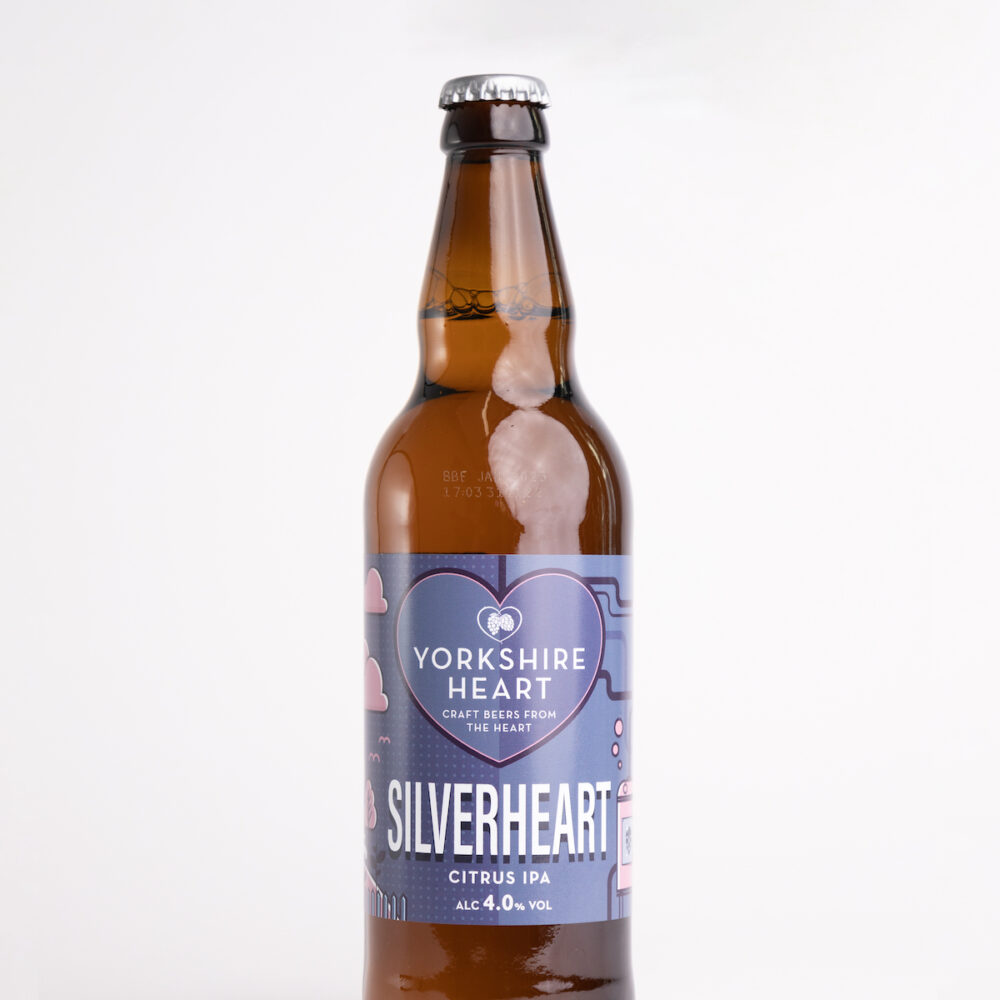
Silverheart IPA
Our best-selling IPA with spice, lemon and citrus flavours.
Volume - 500ml
Alcohol content - 4.0%
Available in bottles
Like all of our beers, Silverheart IPA is gluten free.
So what’s the actual difference between an IPA and a pale ale?
In practical terms, when you pick up a pale ale you’ll notice it’s smoother, lighter, and more balanced. Pick up an IPA and the hops hit you first. More bitterness on the tongue, more aroma in the glass, and usually a touch more alcohol. If you enjoy our Blonde and want something with more punch, Silver Heart is the natural next step.
Bitter: A Proper British Pint
Bitter is the backbone of the British pub. It’s malt-forward, gently hopped, and supremely sessionable. The beer that generations of drinkers have ordered with a simple “pint of bitter, please.” The name trips people up, though. “Bitter” doesn’t mean it tastes bitter. It was originally called that to distinguish it from mild ale, and the name stuck long after the comparison stopped making sense.
There are three sub-categories: ordinary bitter (lightest), best bitter (the pub standard), and extra special bitter or ESB (fuller-bodied, a bit stronger). But honestly, most people don’t think in those terms. They just know they want a proper pint.
Hearty Bitter
Hearty Bitter is our take on the traditional style. Brewed with proper respect for what a bitter should be, but with a modern touch. It’s the beer that surprises people who think they don’t like bitter. They try it, the malty warmth comes through, and suddenly they’re asking for another. It’s earthy, balanced, and satisfying in a way that flashier styles sometimes aren’t.
Pair with: Roast dinners, pies, ploughman’s lunch, Yorkshire pudding.

Yorkshire Hearty Bitter
Chestnut brown in colour with bitter toffee flavours. A classic Yorkshire bitter.
Volume - 500ml
Alcohol content - 3.7%
Available in bottles and boxes
Like all of our beers, Hearty Bitter is gluten free.
“This is a beer for people who love beer. We keep the ABV lower at 3.7% so it’s lighter on the system, but we pack in the malt to make sure it doesn’t lose any body. It’s the perfect partner for a steak pie.”
— Tim, Head Brewer at Yorkshire Heart
Golden Ale: Light, Bright, and Refreshing
Golden ale is the modern British answer to lager. It arrived on the scene in the 1980s and 90s when brewers wanted to attract lager drinkers back to cask ale, and it worked. The style is pale in colour, light in body, with a crisp finish, but with more flavour and character than most lagers offer.
The difference between a golden ale and a pale ale comes down to weight and hops. Golden ales tend to be lighter-bodied, crisper, and less hop-forward. They’re designed to refresh first and impress second — though the good ones manage both.
J.R.T. Golden Best
J.R.T. sits in interesting territory — it’s a golden ale but with more depth than most. The colour is a darker gold than you’d expect, and there’s a caramel sweetness in the malt that balances the citrus hop character. It’s the one that people pick up when they want something with a bit more substance than a typical golden ale but don’t want to move into heavier territory.
Pair with: Cheese boards, lighter meals, summer food, excellent with a sharp Yorkshire Wensleydale
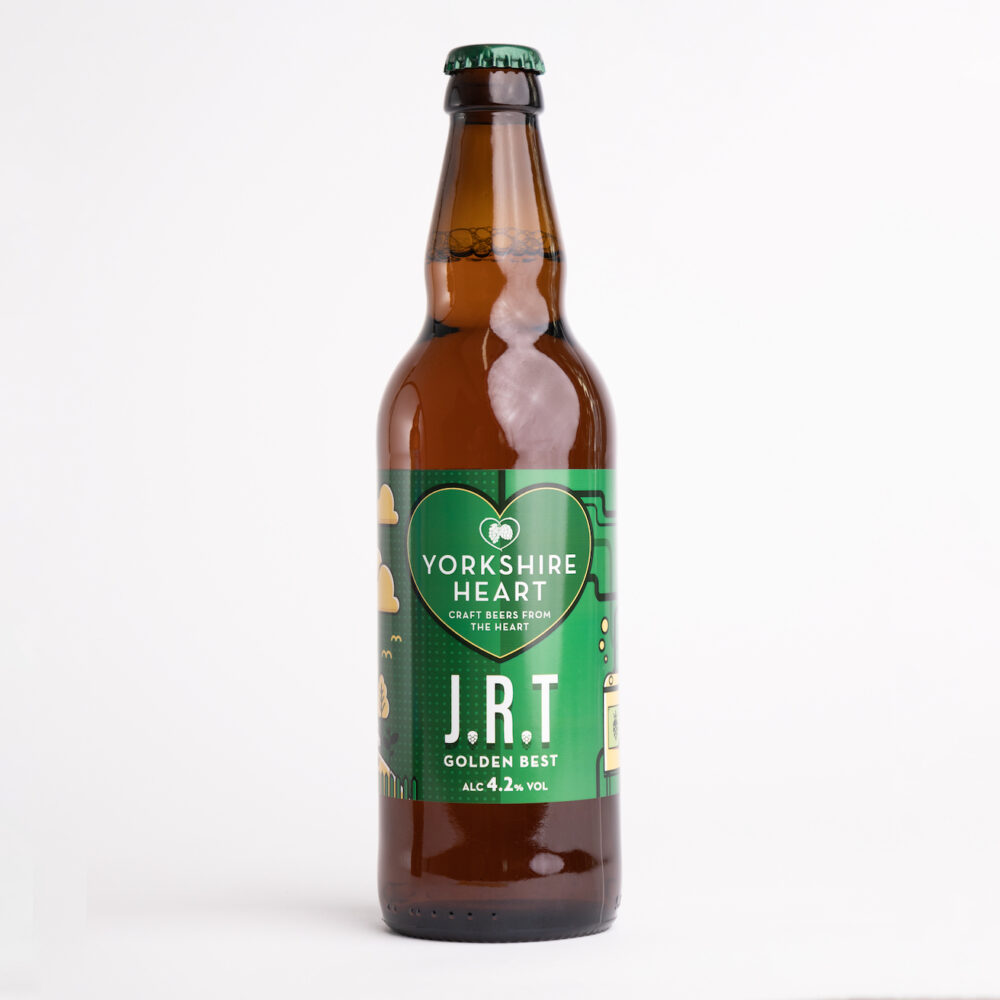
J.R.T. Golden Best
Dark golden best bitter with caramel and citrus flavours. Brewed in memory of Tim the Brewer’s Grandfather ‘James Rodney Throupe’
Volume – 500ml
Alcohol content – 4.2%
This beer is Gluten Free
Available in bottles and boxes
Like all of our beers, JRT Golden Best is gluten free.
“This is a real ‘brewer’s beer.’ It’s all about balance. You get the sweetness from the malt and just enough bitterness from the hops to clean it up. It’s smooth, it’s golden, and it’s probably the most versatile beer in our fridge.”
— Tim, Head Brewer at Yorkshire Heart
Lager: More Than You Think
Here’s something most people don’t realise: “lager” isn’t a flavour, it’s a brewing method. While ales ferment warm with top-fermenting yeast, lager ferments cold with bottom-fermenting yeast, then conditions (or “lagers”) at near-freezing temperatures for weeks. That cold conditioning is what gives lager its clean, crisp character.
The problem is that mass-produced lager has trained people to expect very little from the style. When the biggest brands in the world all taste like slightly fizzy water, you stop expecting lager to have actual flavour. But a properly brewed craft lager is a different thing entirely, clean and refreshing, yes, but with real depth and character.
There are substyles worth knowing about: pilsner (the crisp, hoppy Czech and German original), helles (malty, smooth, Munich-style), and dunkel (darker, breadier). But the real distinction that matters is between mass-produced lager and one that’s been brewed properly, with time and care.
Liberty Lager
Liberty Lager is our answer to anyone who says “I only drink lager.” Good, try a proper one. It’s zesty, clean, and refreshing with genuine character you can actually taste. A world away from what you’d pick up in a supermarket multipack. This is lager done right, brewed right here in Yorkshire.
Pair with: Seafood, light bites, summer food, brilliant with fish tacos or a prawn salad
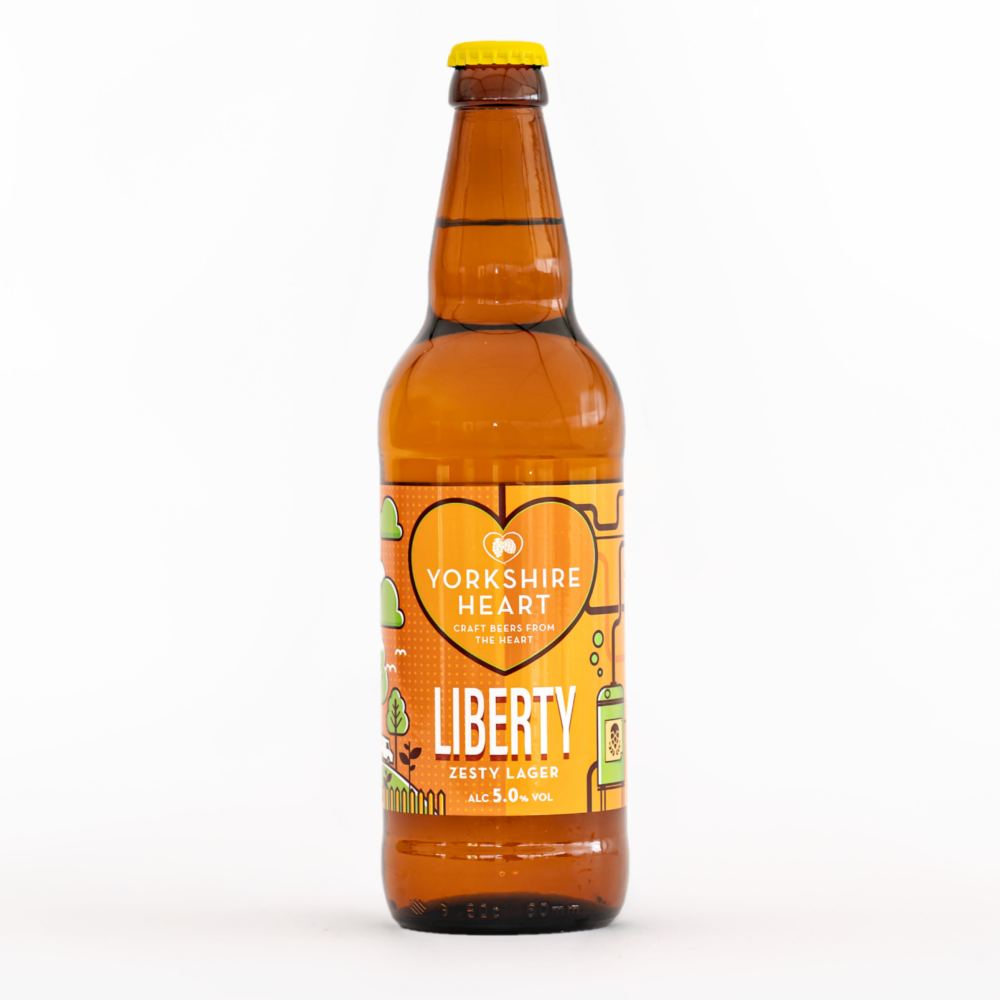
Liberty Lager
Our unique Yorkshire lager with zesty flavours
Volume – 500ml
Alcohol content – 5.0%
Available in bottles and kegs
Like all of our beers, Liberty Lager is gluten free.
“The hardest beer to brew is a good lager. There’s nowhere to hide. If you make a mistake, you taste it. We’re incredibly proud of Liberty because it’s technically perfect, clean, crisp, and absolutely delicious.”
— Tim, Head Brewer at Yorkshire Heart
Porter: Where Dark Beer Began
Porter is where the story of dark beer starts. It was born in 18th-century London, popular with street-market porters (hence the name), and it kicked off an entire family of dark styles. Porters are brewed with dark roasted malts that bring chocolate, coffee, and toffee notes, rich and complex without being heavy.
The body is medium rather than full, which is what separates a porter from a stout (more on that in a moment). A good porter should feel smooth and satisfying, the kind of beer that rewards slow drinking.
Ghost Porter
Ghost Porter is one of our most interesting beers. It pours dark — nearly black — and the roasted malts come through straight away: chocolate, coffee, a hint of toffee. But what makes it a porter rather than a stout is the body. It’s rich and complex but still smooth and drinkable, never heavy or cloying. Perfect for colder months, or paired with food that can match its depth.
Pair with: Chocolate desserts, steak, strong cheese — try it with a rich beef pie at one of our Beers & Bangers nights
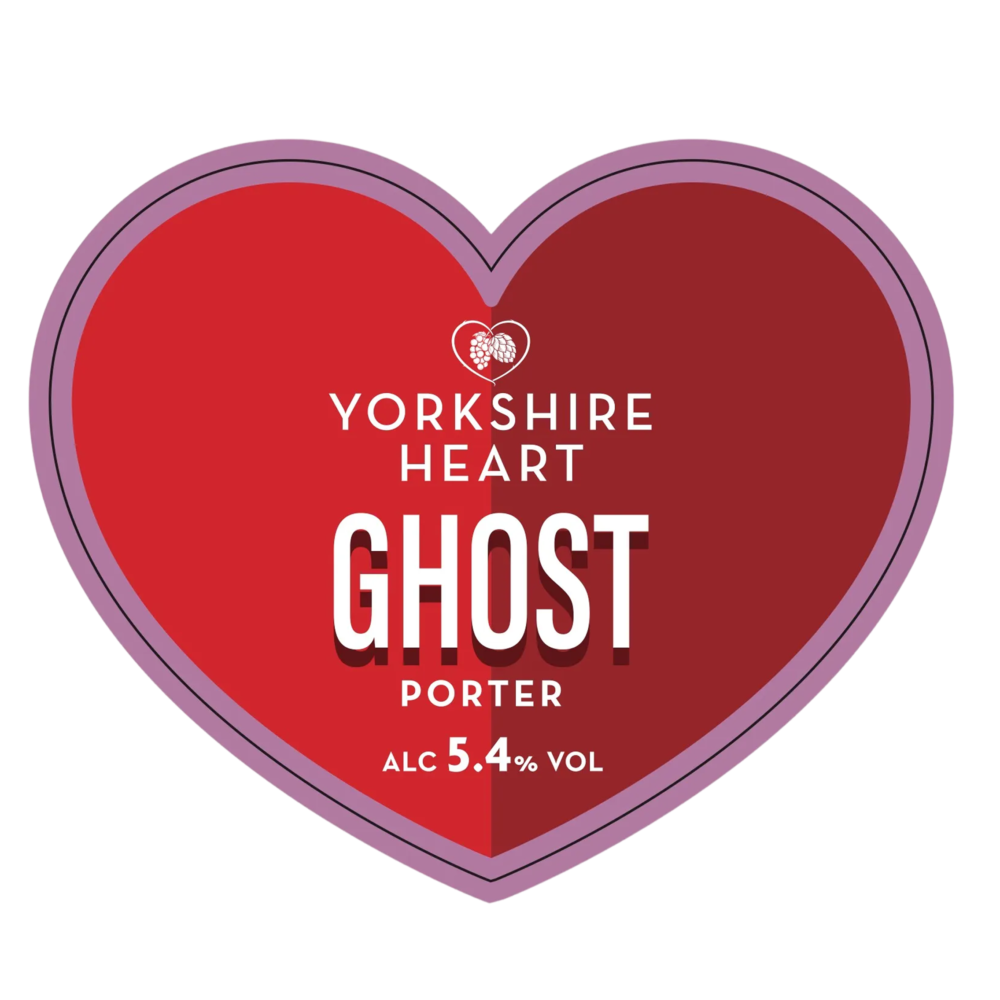
Ghost Porter
Our Ghost Porter is a rich, smooth porter with deep chocolate notes. At 5.4% alcohol, it offers a satisfying, full-bodied experience.
Like all of our beers, Ghost Porter is gluten free.
“This is the one for the dark beer lovers. We worked hard to get that smooth, creamy mouthfeel without having to use nitrogen widgets. It’s rich and warming, but it finishes clean. It’s absolutely brilliant with a chocolate brownie or a rich beef stew.”
— Tim, Head Brewer at Yorkshire Heart
So what is the difference between porter and stout?
Honestly? The line has blurred over the centuries. Originally, stout meant “stout porter” — a stronger version of porter. Today, stouts tend to use more heavily roasted malts, giving a drier, more intense roasted character, and they’re typically fuller in body. But brewers will tell you the overlap is significant. We brew both, and the best way to understand the difference is to taste them side by side.
Stout: Rich, Dark, and Full-Bodied
Stout takes everything porter does and turns it up. The malts are roasted darker, giving a more intense coffee-and-chocolate character. The body is fuller. The flavour is bolder. It’s the darkest beer style, and often the most misunderstood.
Here’s the thing people get wrong about stout: dark doesn’t mean heavy, and it doesn’t mean strong. Many stouts are session-strength. The colour comes from how the malt is roasted, not from extra alcohol or sugar. A well-made stout can be surprisingly drinkable.
There are substyles worth mentioning: dry stout (the classic Irish style, sharp, roasty, easy-drinking), milk stout (sweeter, with added lactose), oatmeal stout (silky smooth from added oats), and imperial stout (strong, intense, a sipping beer). They all share that dark, roasted foundation but take it in different directions.
Blackheart Stout
Blackheart Stout is probably the beer where people are most surprised to learn it’s gluten free. It’s dark, full-bodied, and packed with rich, roasted flavour,- the kind of stout that makes you slow down and appreciate it. There’s coffee and dark chocolate in the character, a smooth mouthfeel, and a finish that lingers. Proof that gluten free doesn’t mean compromise.
Pair with: Roast dinners, game pies, dark chocolate — this beer loves a Sunday roast
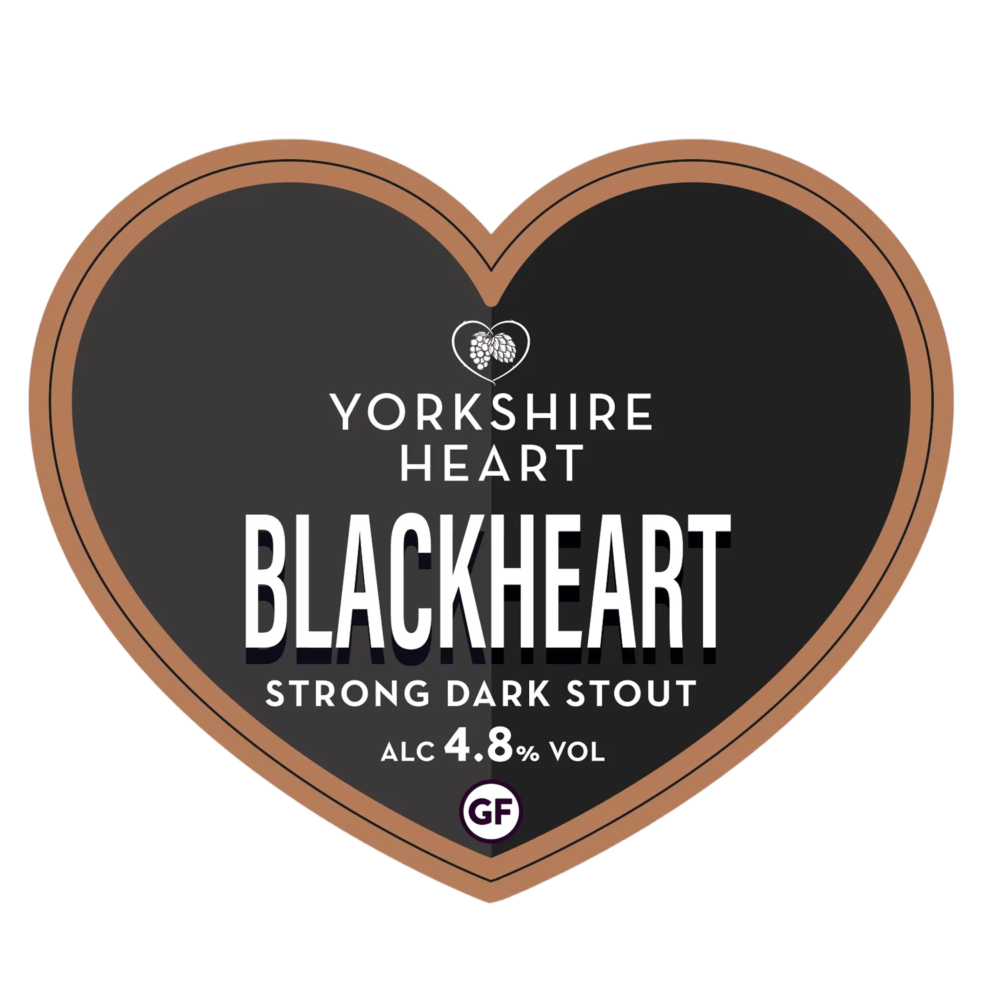
Blackheart Stout
Blackheart Stout is a bold, dark stout with roasted coffee and molasses flavours. With an alcohol content of 4.8%, it offers a rich experience.
Like all of our beers, Blackheart Stout is gluten free.
“Our Blackheart is all about the malt. We use a complex grist of roasted barley and chocolate malt to create a beer that is satisfyingly dark without being heavy or cloying.”
— Tim, Head Brewer at Yorkshire Heart
How to Find Your Style
The best advice I can give anyone who wants to explore beer styles? Stop sticking to one. If you always drink lager, try a golden ale next, J.R.T. Golden Best is a natural stepping stone. If you love pale ale, try Silver Heart IPA for something with more hop punch. If you’ve never had a dark beer, Ghost Porter is a gentler introduction than jumping straight into a stout.
Tasting beers side by side is the fastest way to understand the differences. When you pour a Blonde next to a Blackheart Stout, you can see, smell, and taste exactly how malt, hops, and yeast create completely different beers from the same basic ingredients.
One thing worth mentioning: all our beers are gluten free. We brew them that way from the start, not as an afterthought. If you’re coeliac or gluten-intolerant and you’ve been stuck drinking the same one or two options, you’ve now got ten different styles to explore. That’s a genuine choice, not a token gesture.
Every beer we’ve talked about here is available to explore our full beer range online. If you’re not sure where to start, our Blonde and T’Otherside are the two most people reach for first.
But the best way to find your favourite style is to taste them side by side. I run the brewery tours here at the vineyard where you’ll try six beers with Yorkshire tapas and I’ll talk you through each one. It’s a proper afternoon out. Book a brewery tour and see for yourself.
Frequently Asked Questions About Types of Beer
The main types of beer fall into two families: ales (warm-fermented) and lagers (cold-fermented). Within ales, the major styles are pale ale, IPA, bitter, golden ale, porter, and stout. We brew all of these at Yorkshire Heart, from our bestselling Blonde pale ale to Ghost Porter and Blackheart Stout.
The difference comes down to yeast and temperature. Ales use warm-fermenting yeast that works at the top of the tank, producing fruity, complex flavours. Lagers use cold-fermenting yeast that works at the bottom, creating a cleaner, crisper character. Our Liberty Lager is cold-conditioned for a smooth finish, while ales like Blonde and Silver Heart IPA have more expressive, hop-forward flavour profiles.
Originally, stout meant “stout porter”, a stronger version of porter. Today, stouts typically use more heavily roasted malts and have a fuller body, while porters are smoother with more chocolate and toffee character. The honest answer is the line between them has blurred over time. The best way to understand the difference is to try our Ghost Porter and Blackheart Stout side by side.
IPAs use more hops than pale ales, giving them stronger bitterness and aroma. They’re typically a touch stronger too. In practical terms, a pale ale like our Blonde is smooth, balanced, and easy-drinking. An IPA like Silver Heart hits you with hop character first, more aromatic, more bitter, more intense.
Lager accounts for the biggest market share overall, but among craft beer drinkers, pale ales and IPAs dominate. At our brewery, Blonde (a pale ale) and T’Otherside are consistently our two bestsellers, which tracks with the national trend towards hop-forward, flavourful session beers.
There are over 100 recognised beer styles worldwide, but most fall within a handful of major categories: pale ale, IPA, bitter, golden ale, lager, porter, stout, wheat beer, and sour. We brew across seven of those styles here at Yorkshire Heart, giving us one of the broadest gluten-free ranges you’ll find anywhere in the UK.